Adaptable Abodes, LLC

Home Accessibility, Design & Longevity Planning
Helping people create homes that support health, independence, and changing needs over time.
Adaptable Abodes provides independent home accessibility and design consulting, grounded in nearly 30 years of Occupational Therapy experience.
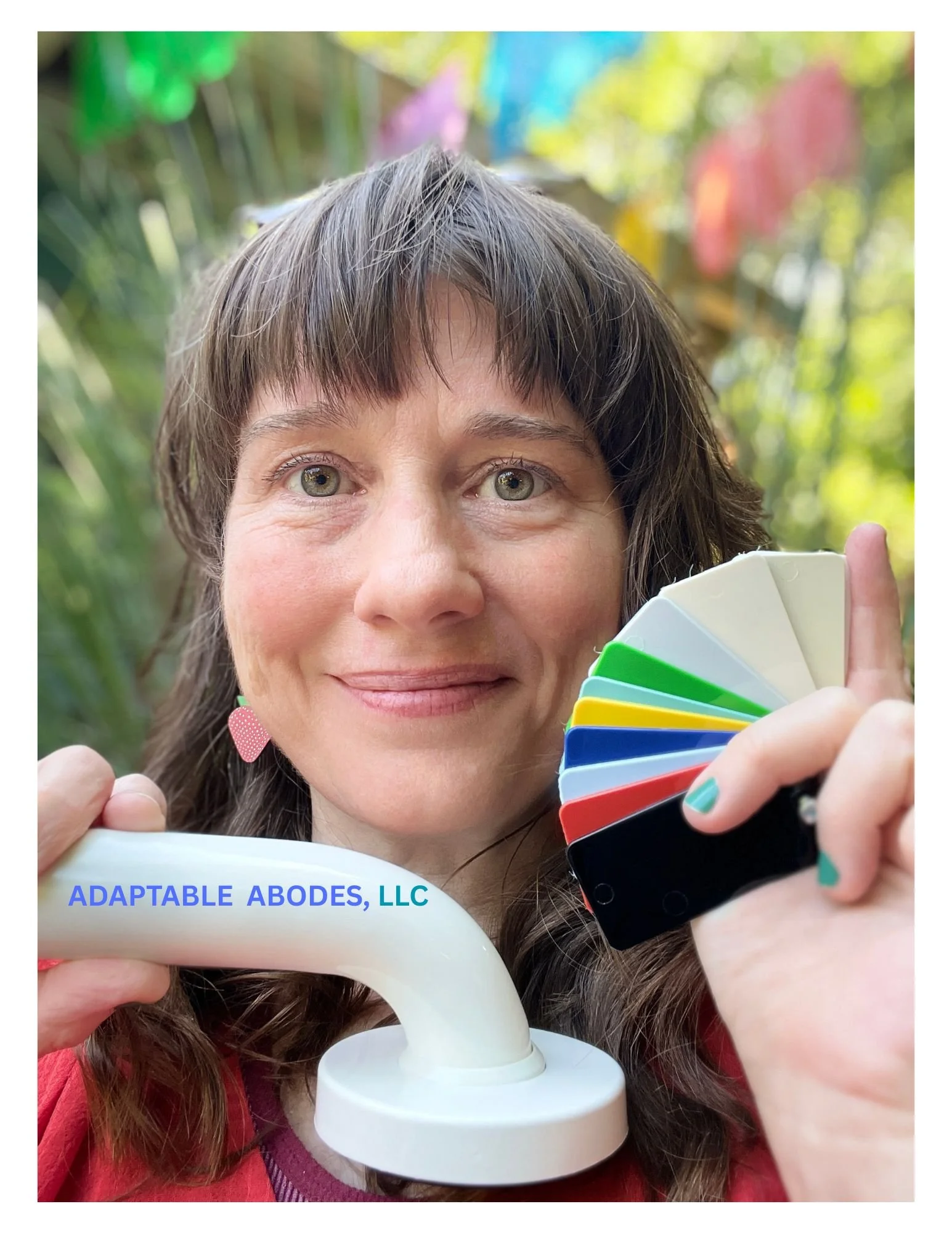
Founded by Kelly Nesbitt, the practice offers personalized, one-on-one guidance, with every client working directly with Kelly throughout the process.
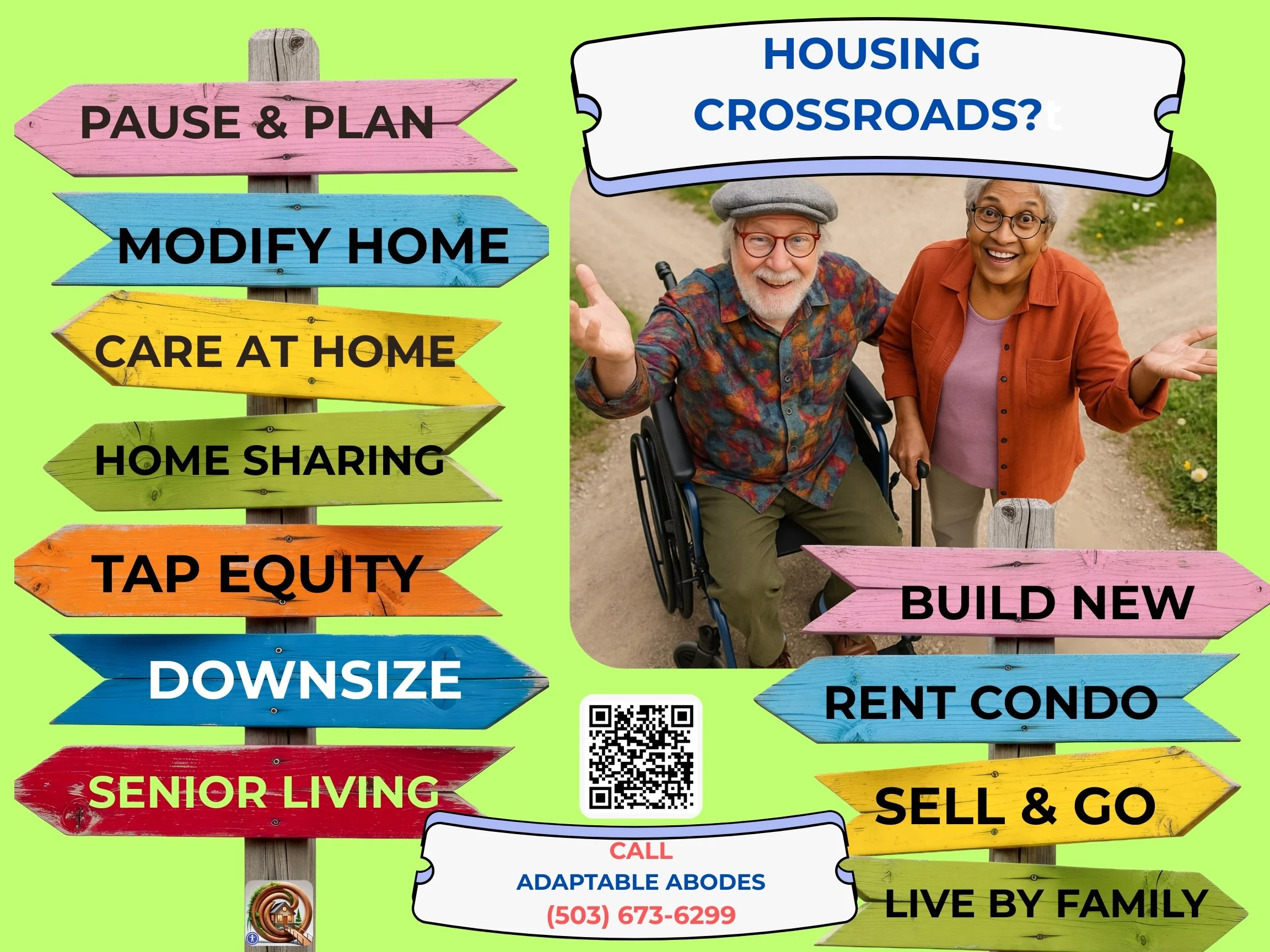
Whether planning proactively, returning home after hospitalization, adapting to changing abilities, or deciding whether to Stay, Modify, or Move, we help people make confident, informed decisions about their homes, now and in the future.
Independent Advocacy.
Client-Centered Solutions.
Our recommendations are guided by your needs, priorities, budget, and long-term goals, not by selling a particular product or renovation.
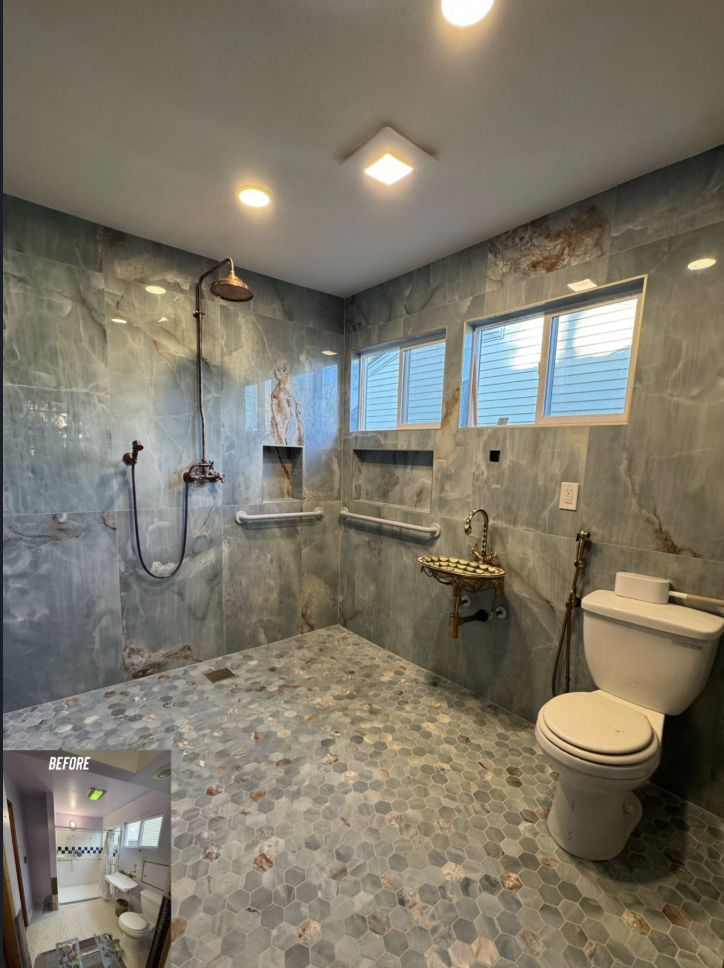
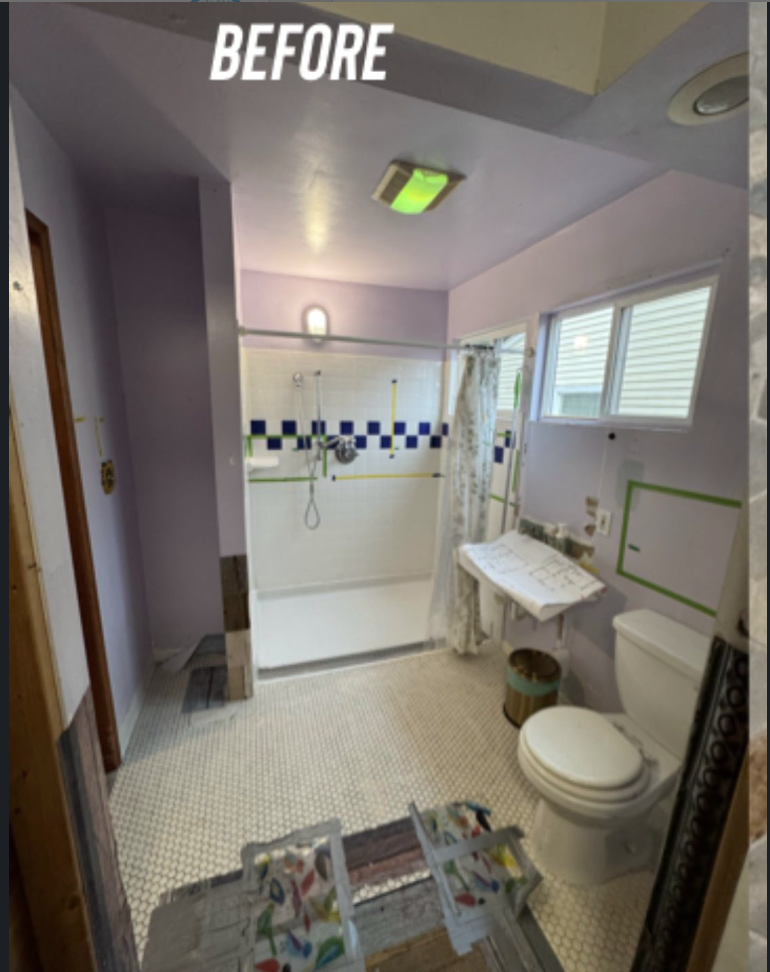
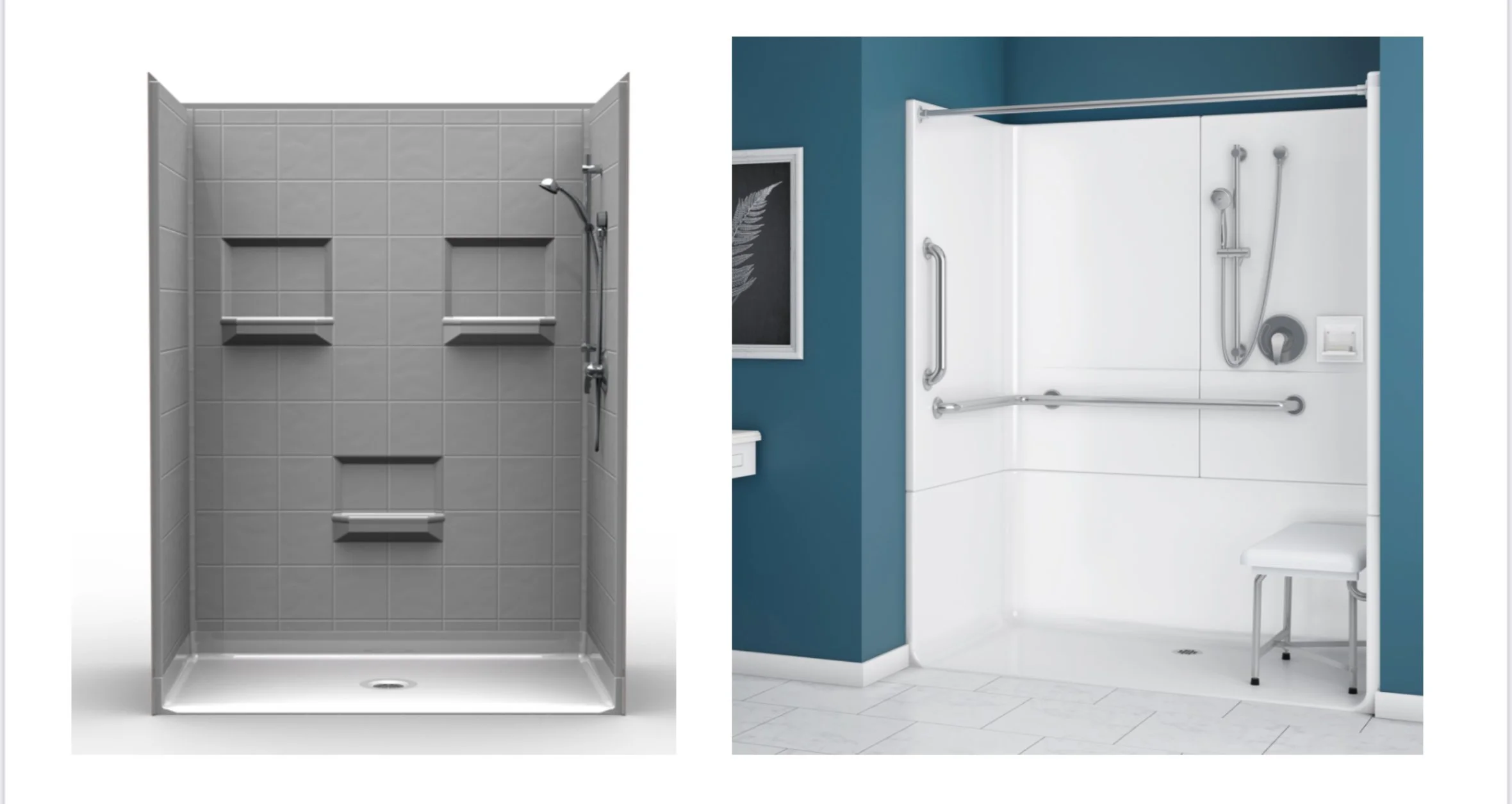
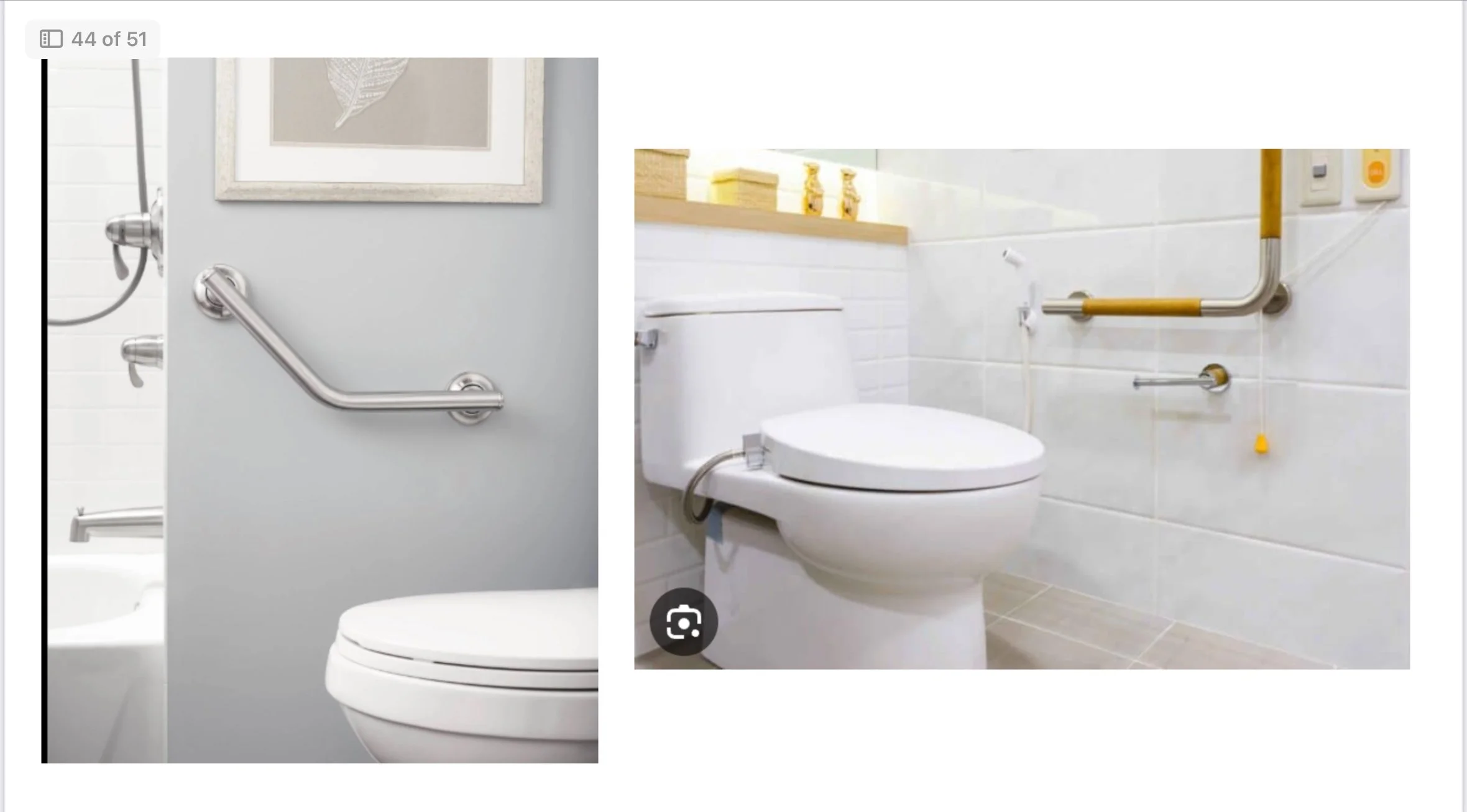
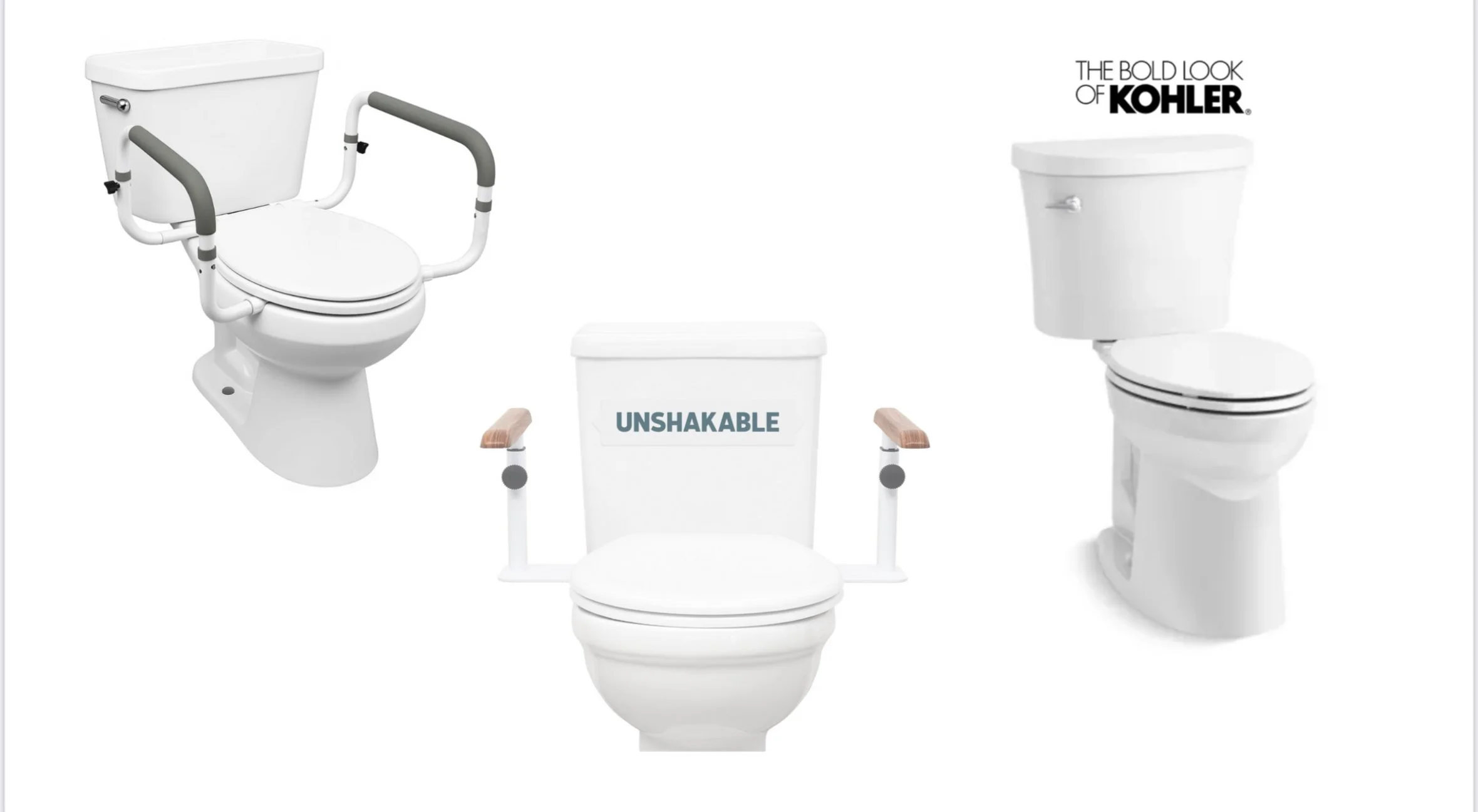
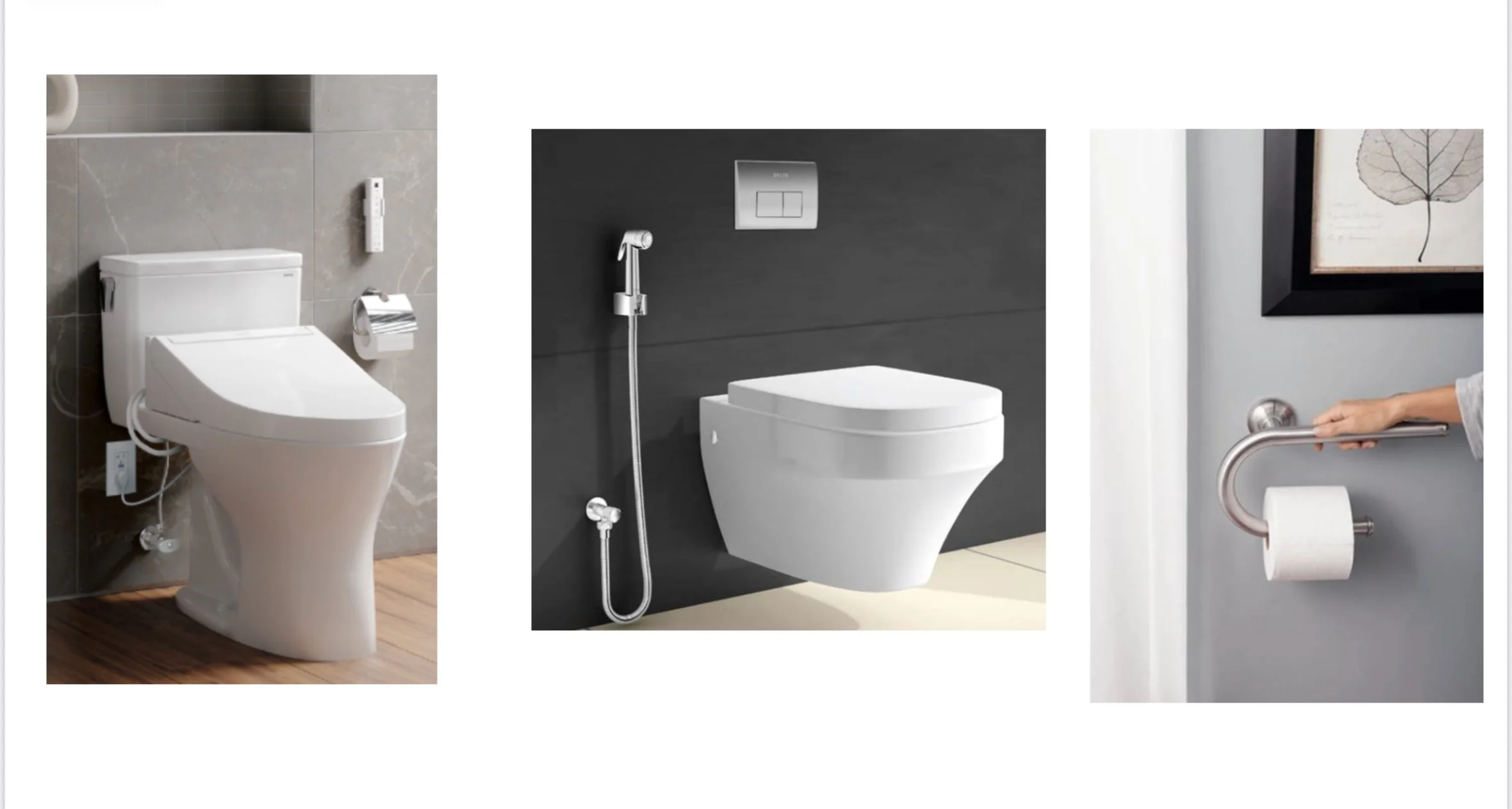
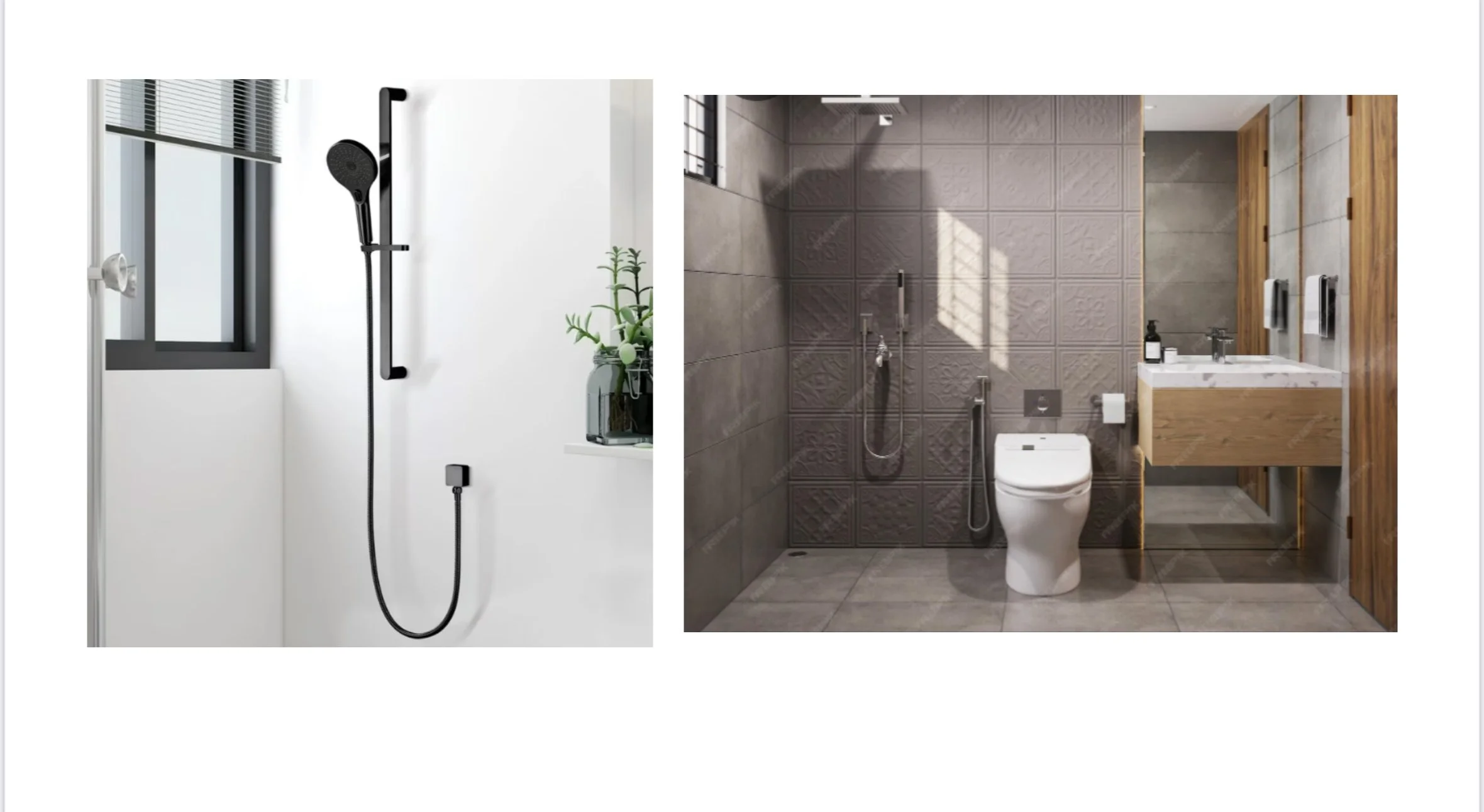
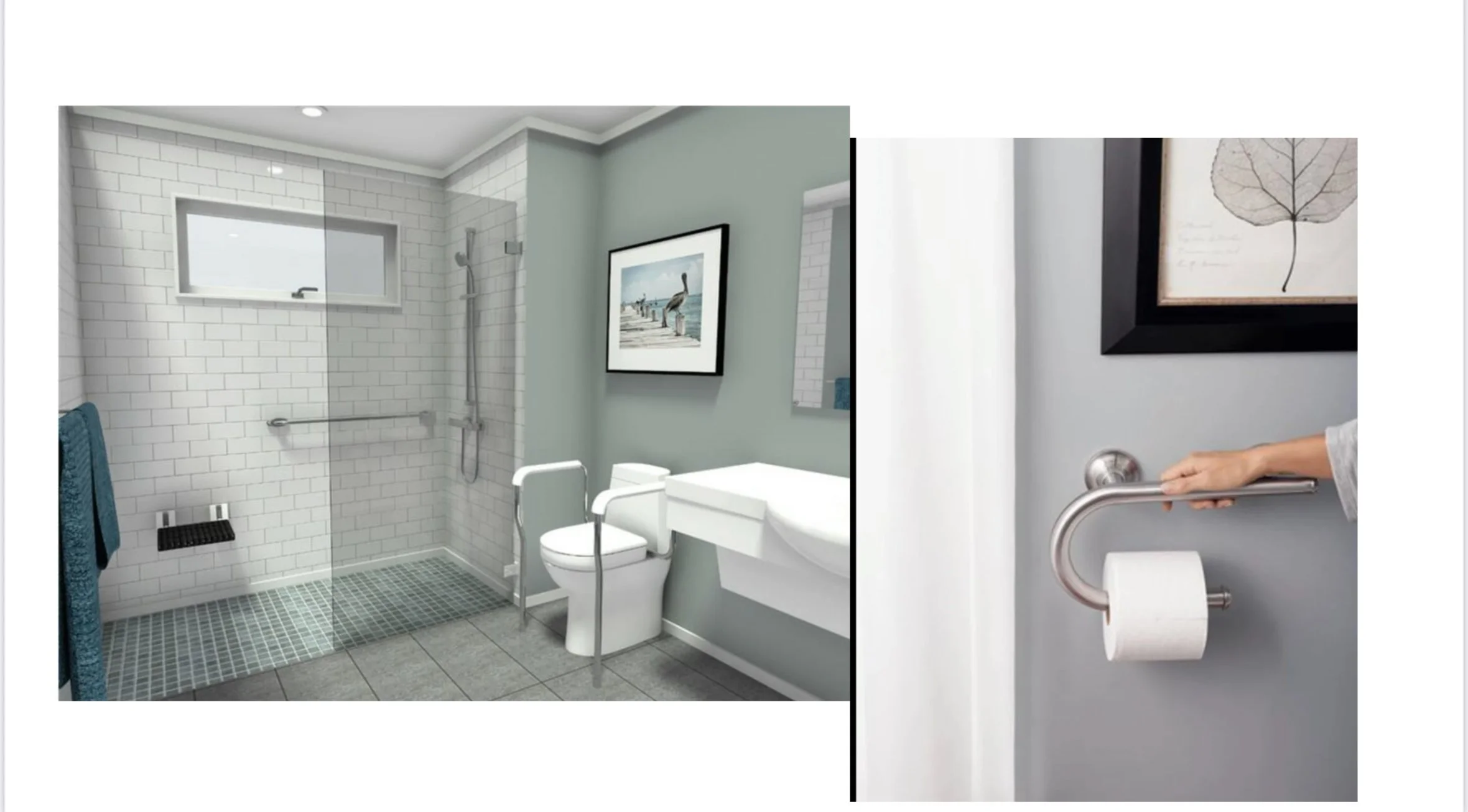
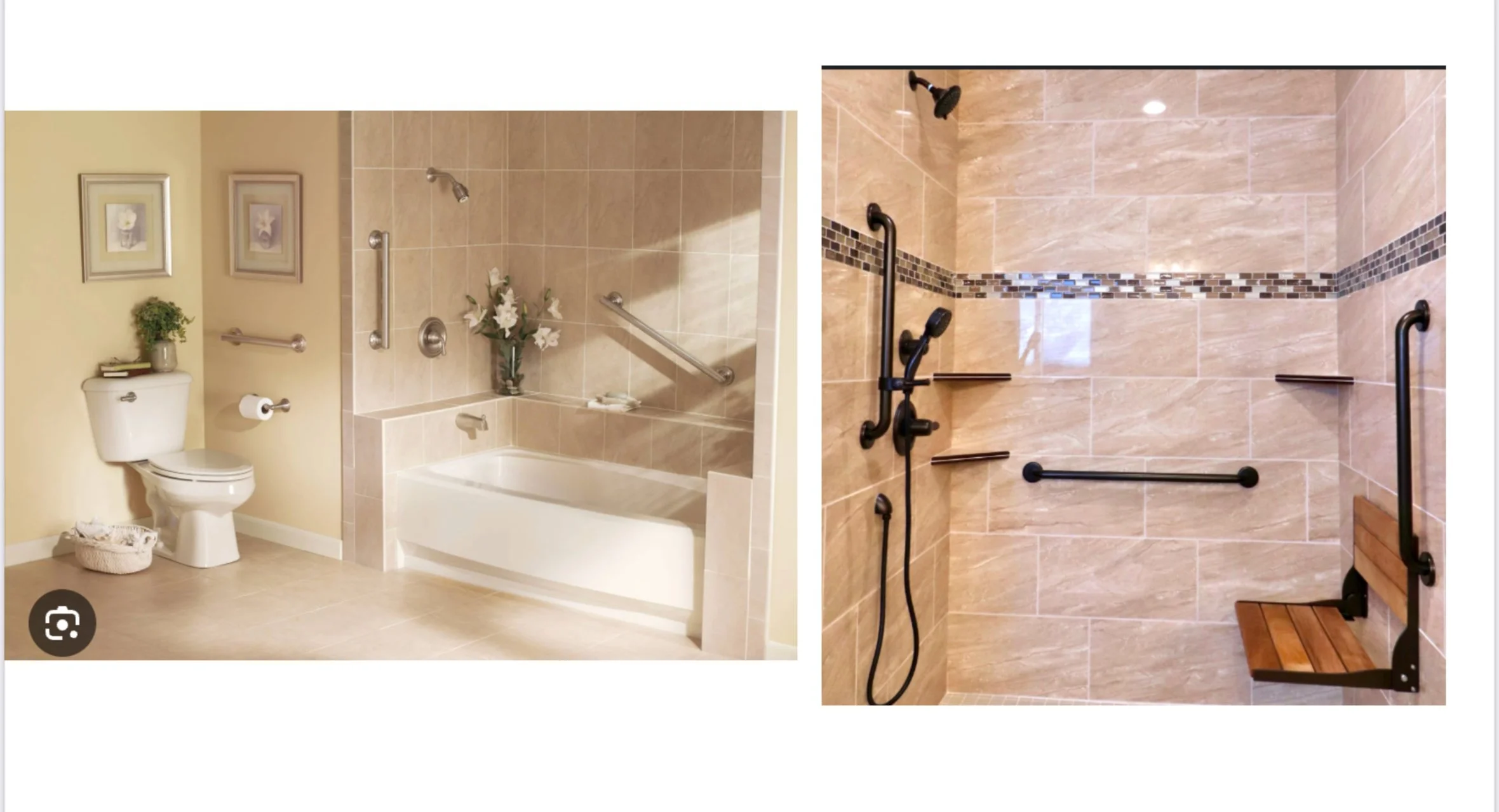
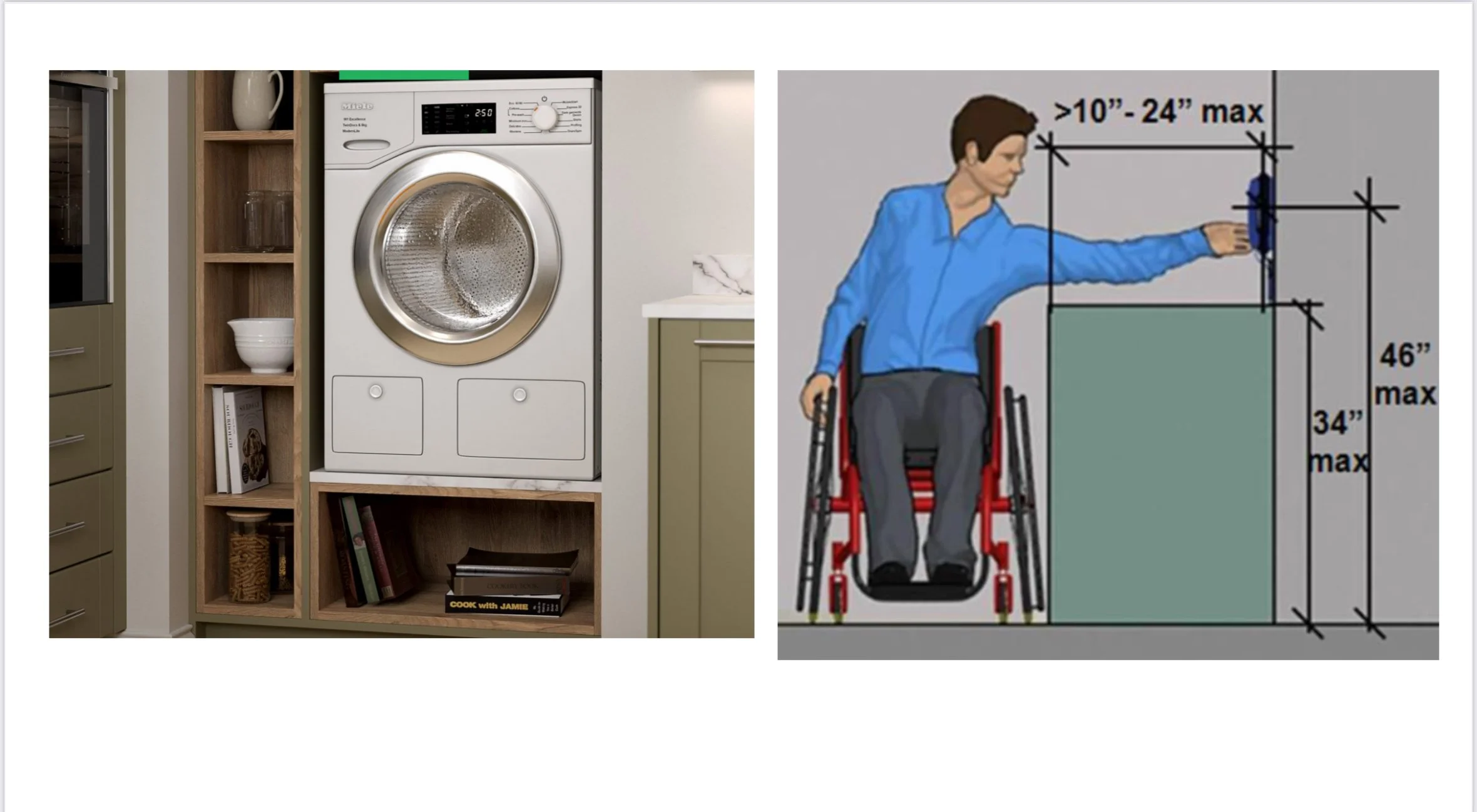
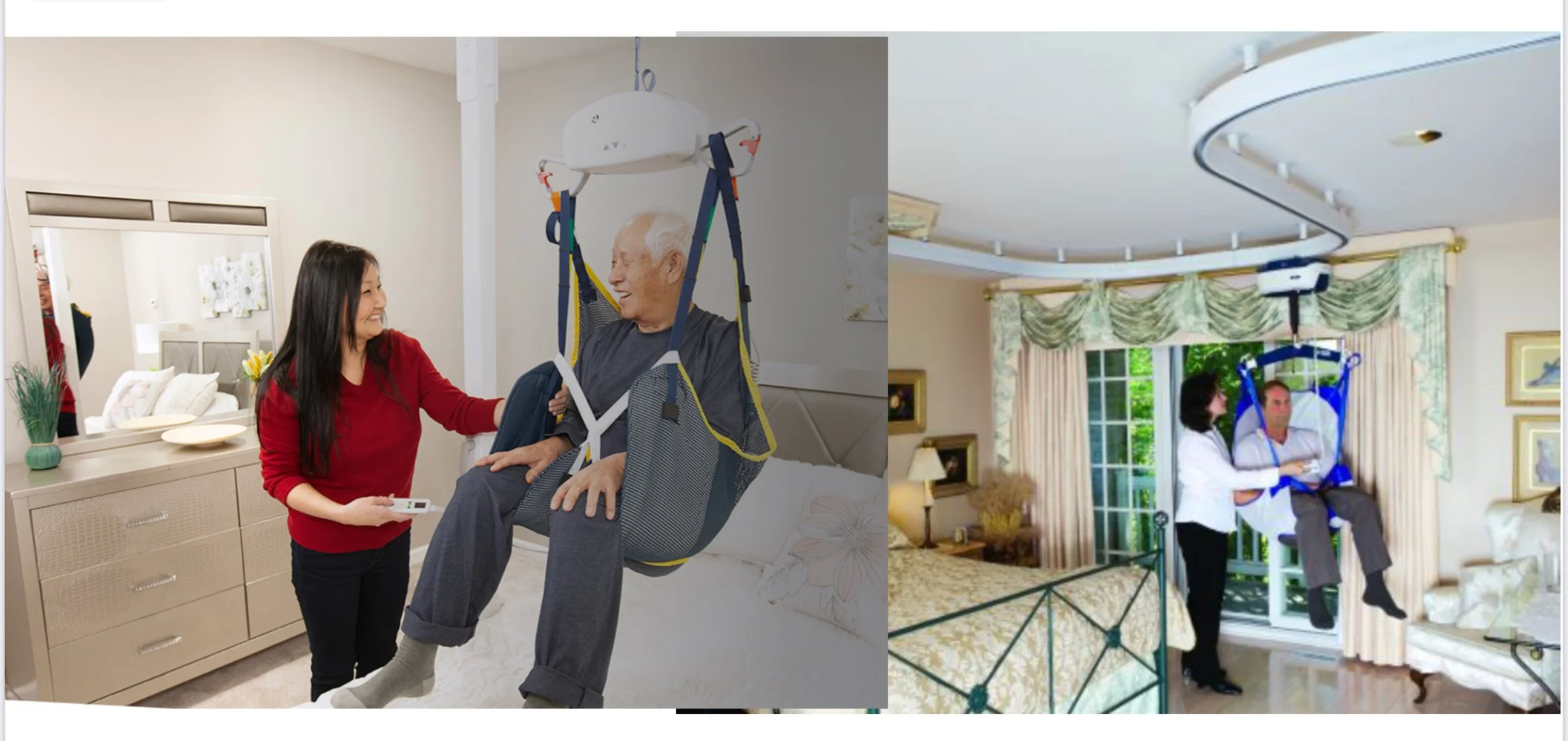
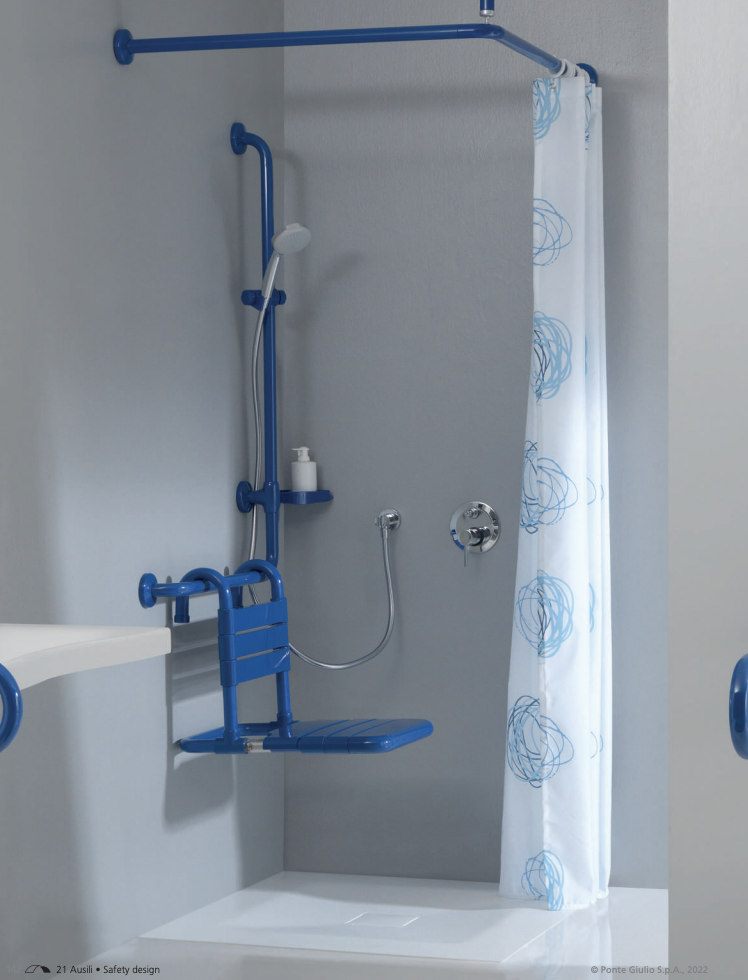
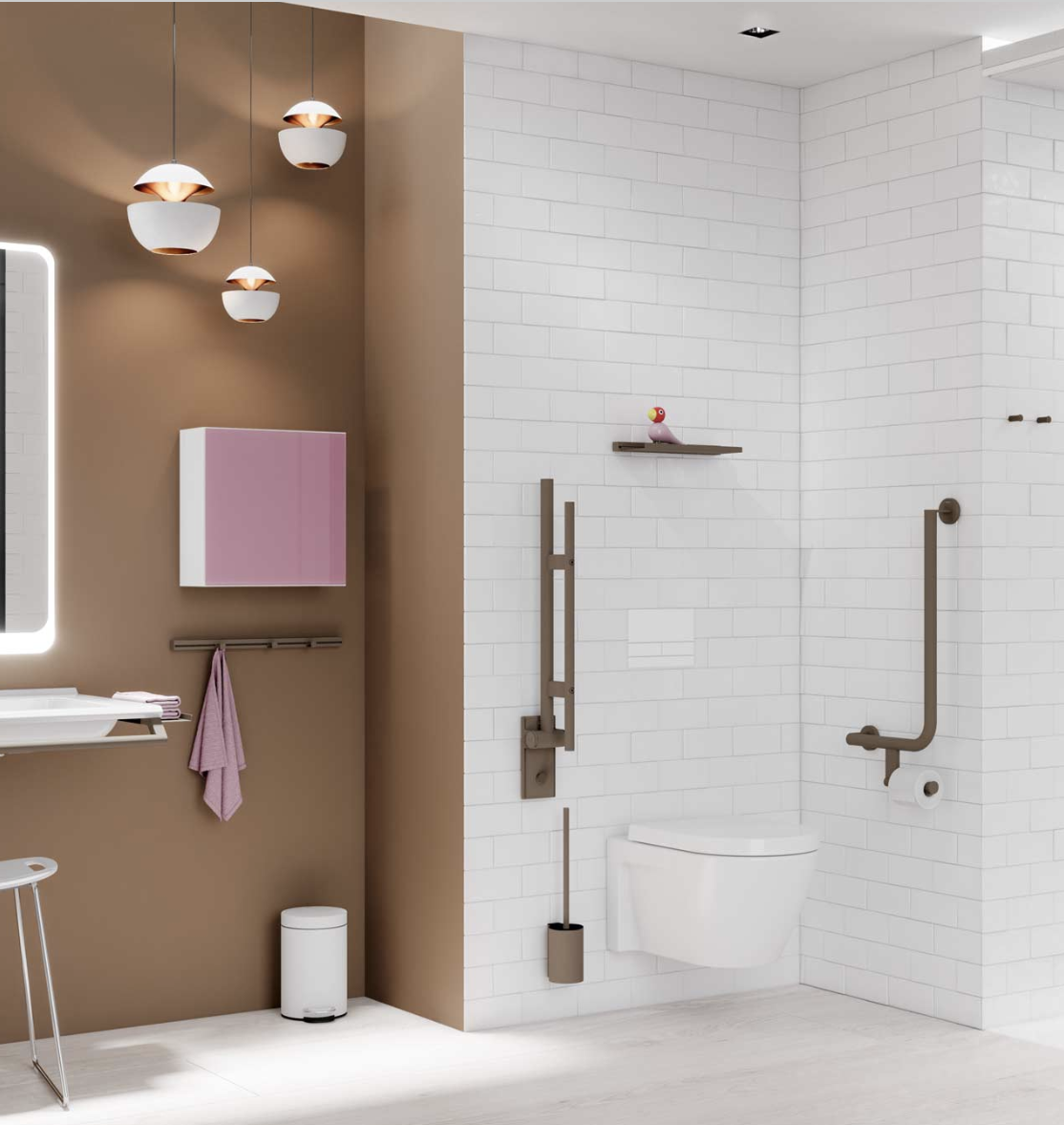
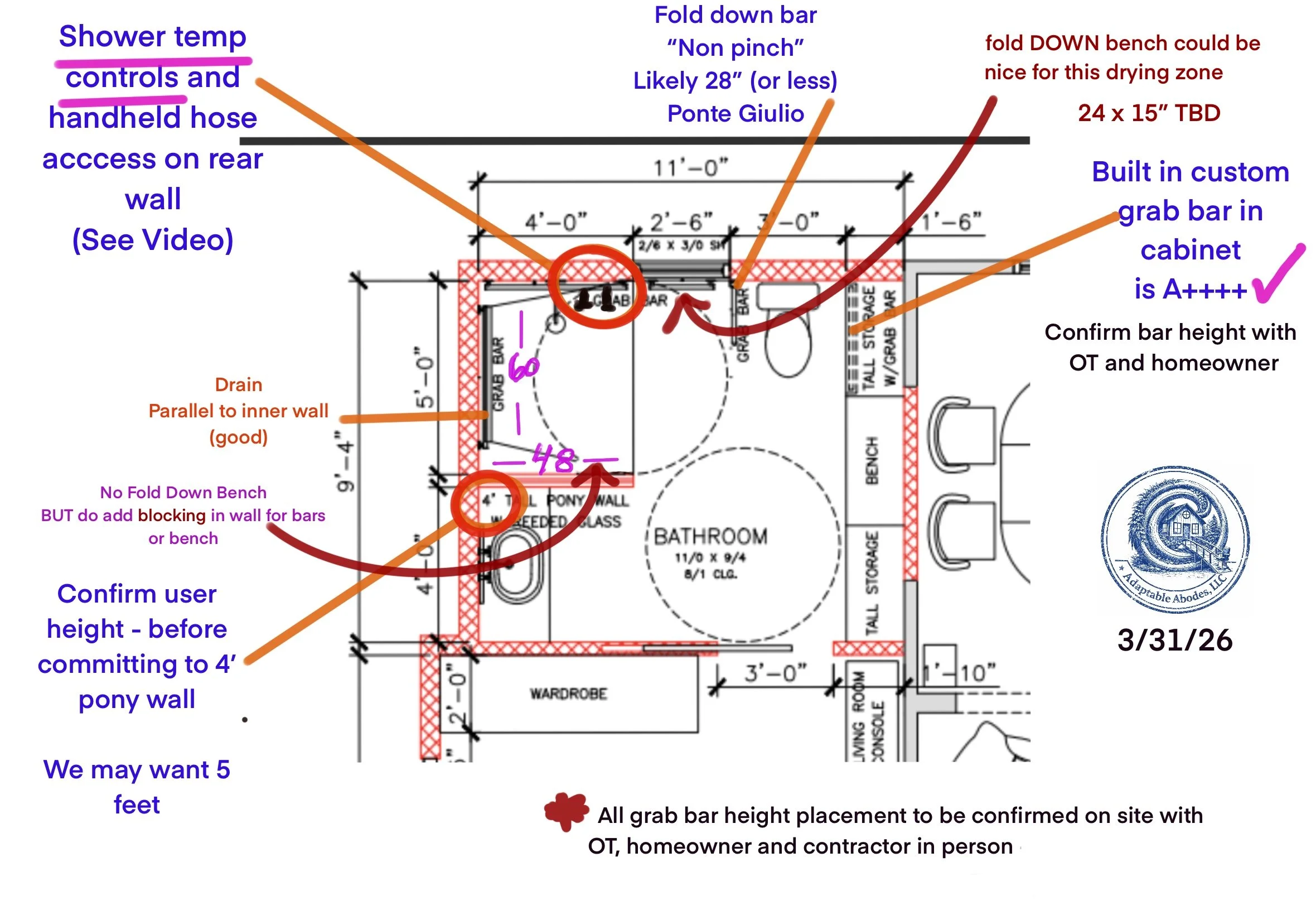
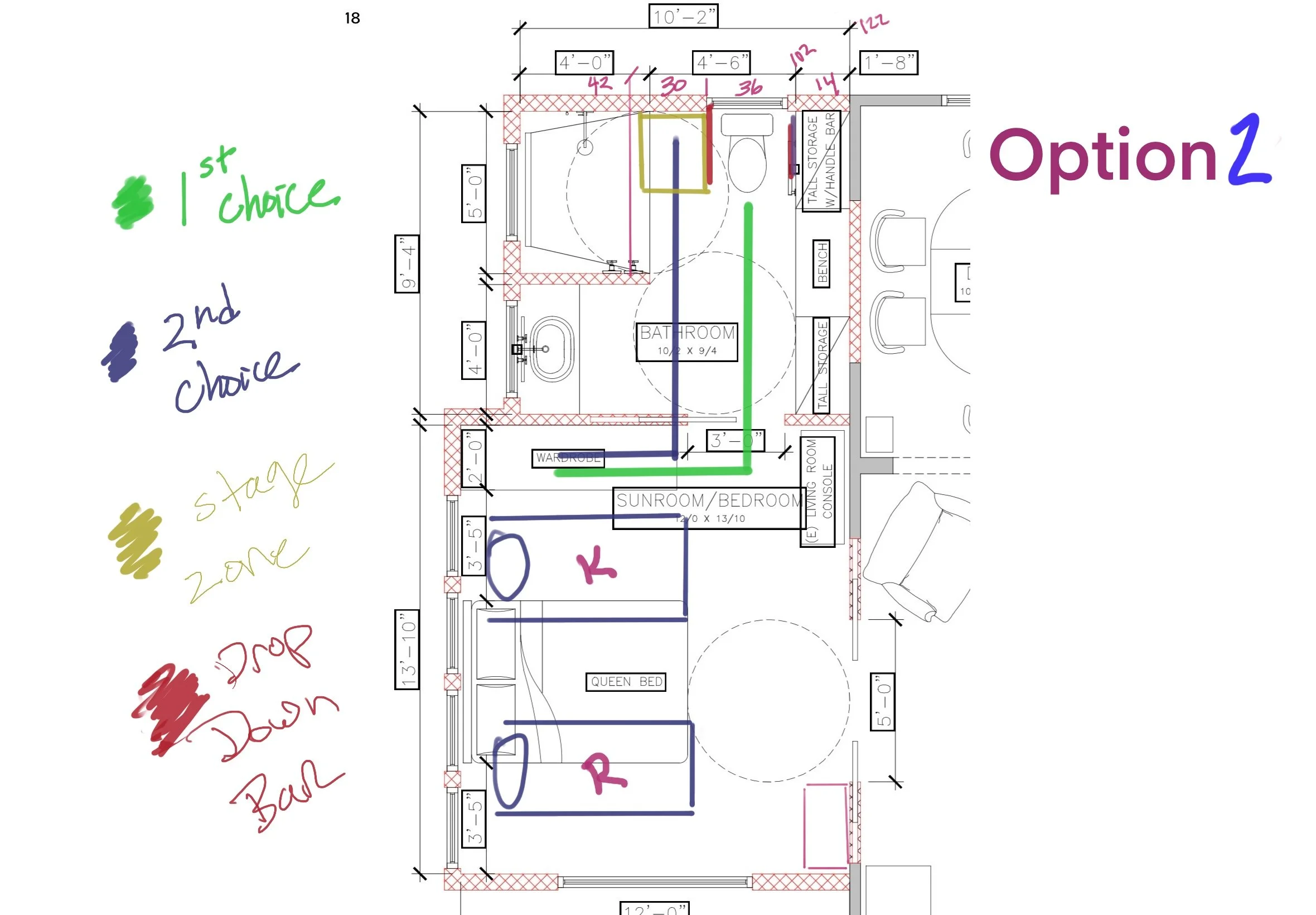
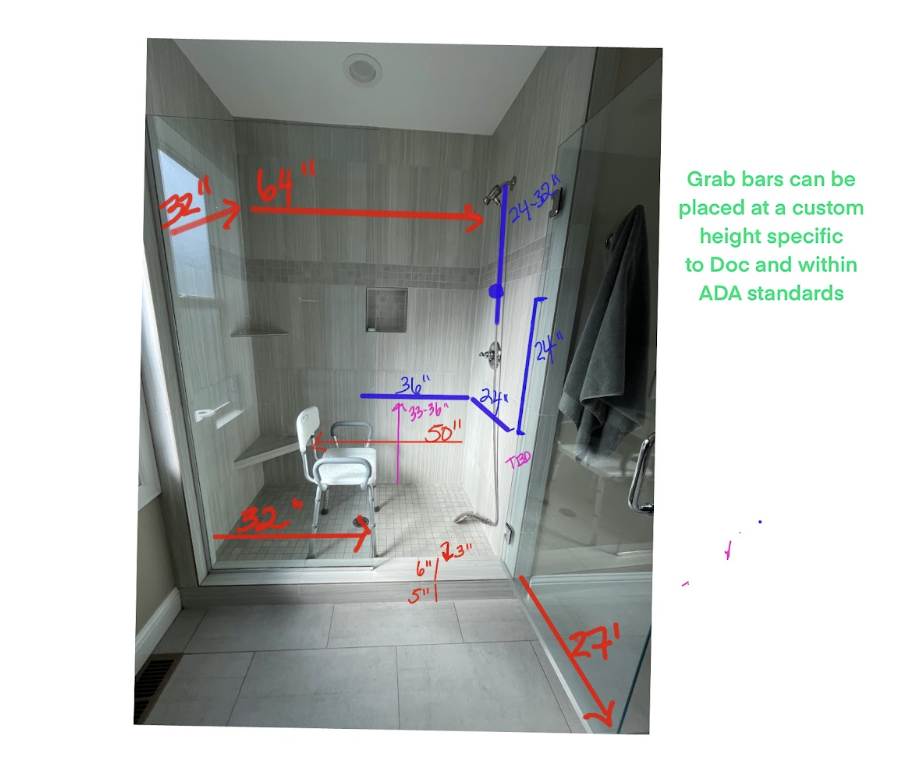
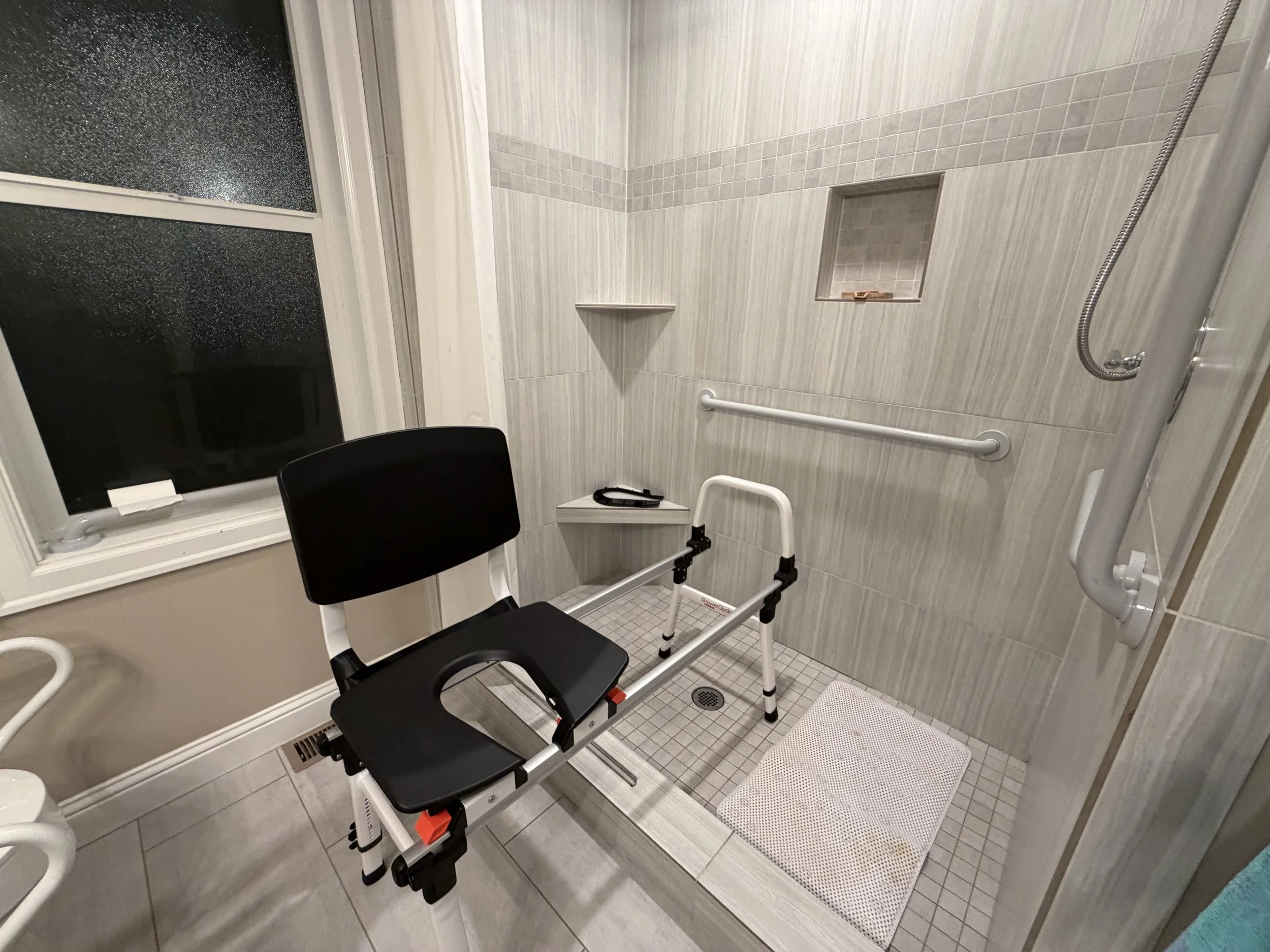
More than a home assessment, we provide end-to-end guidance, thoughtful design consultation, and resource navigation.
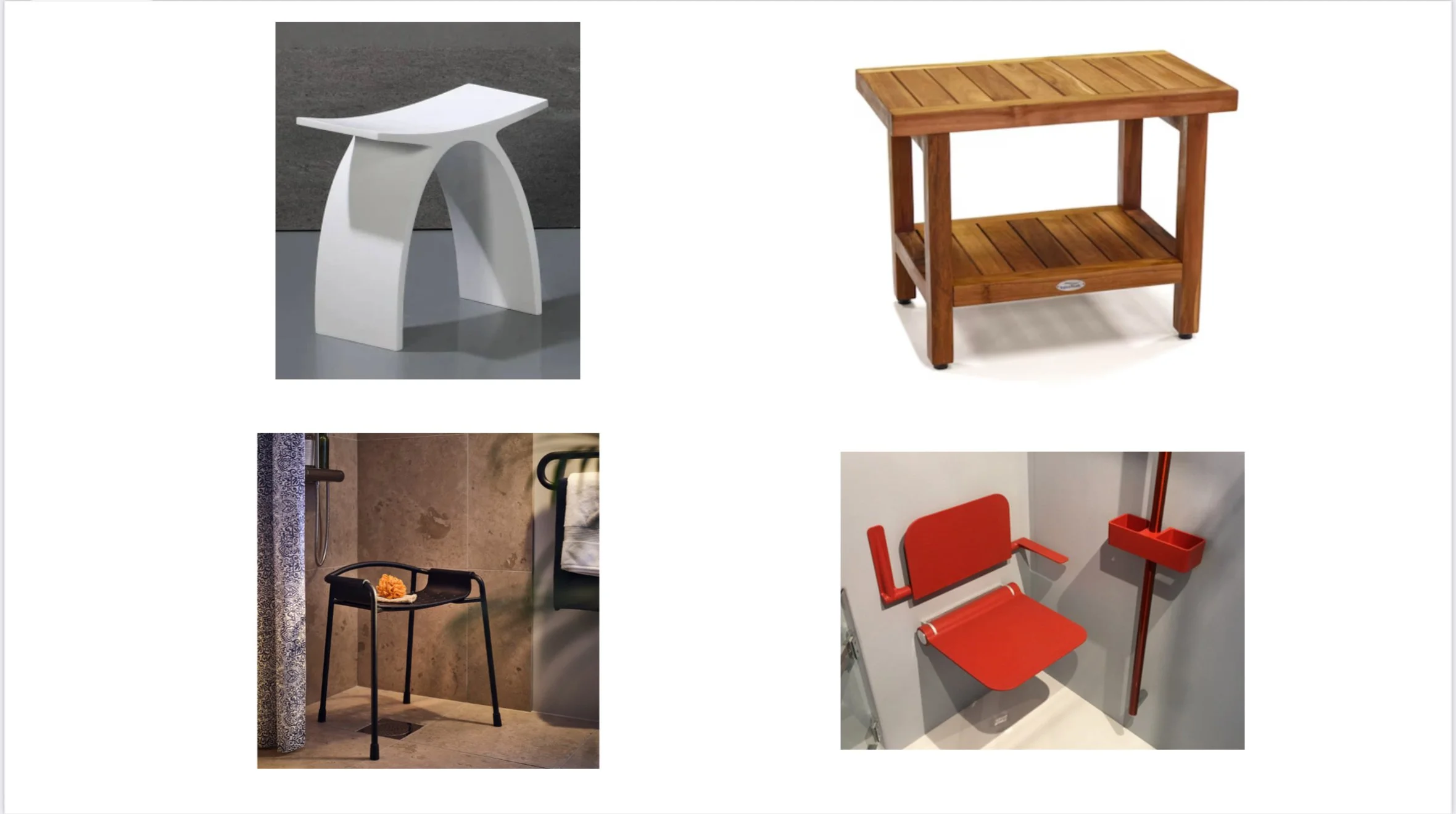
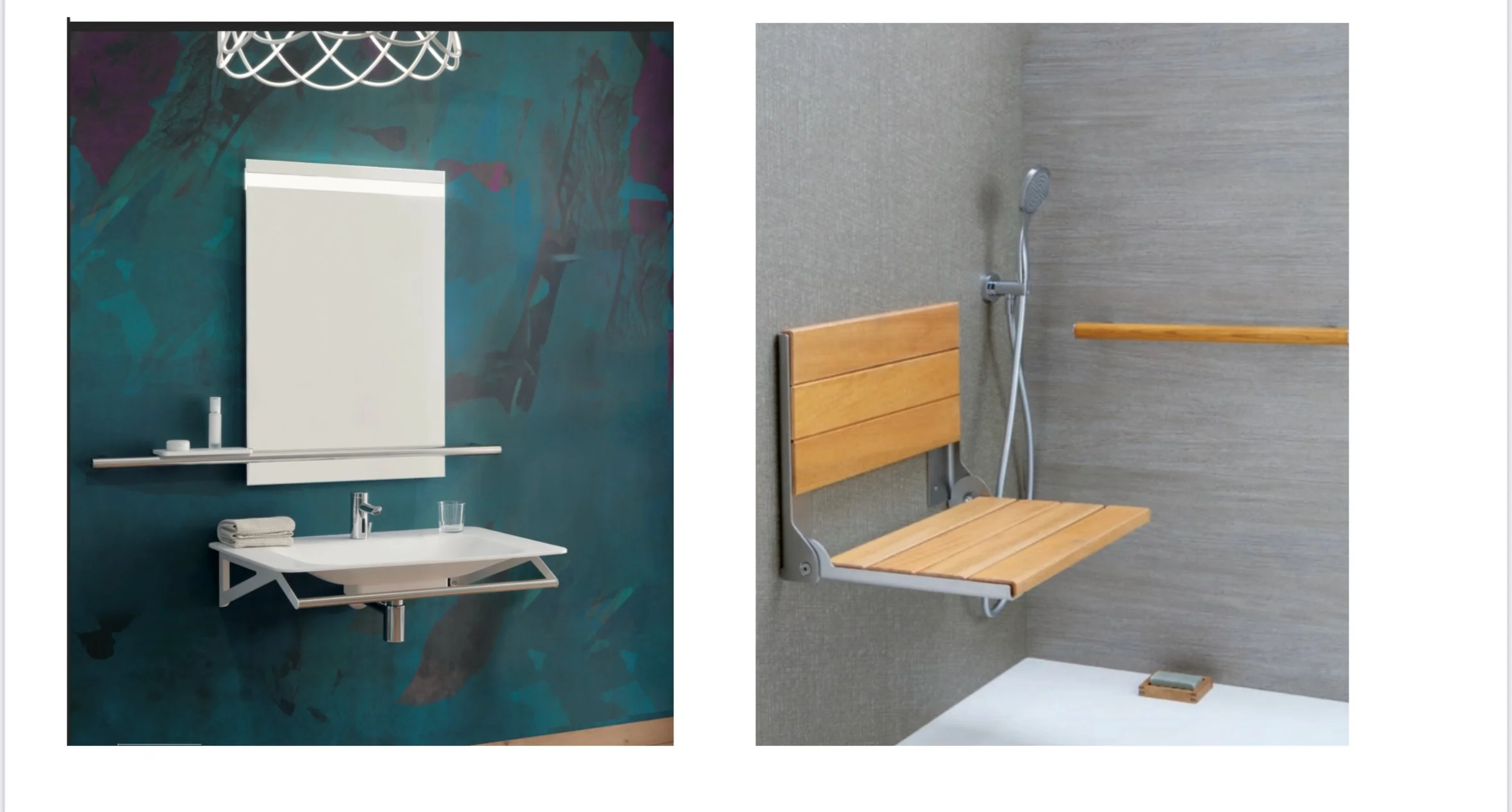
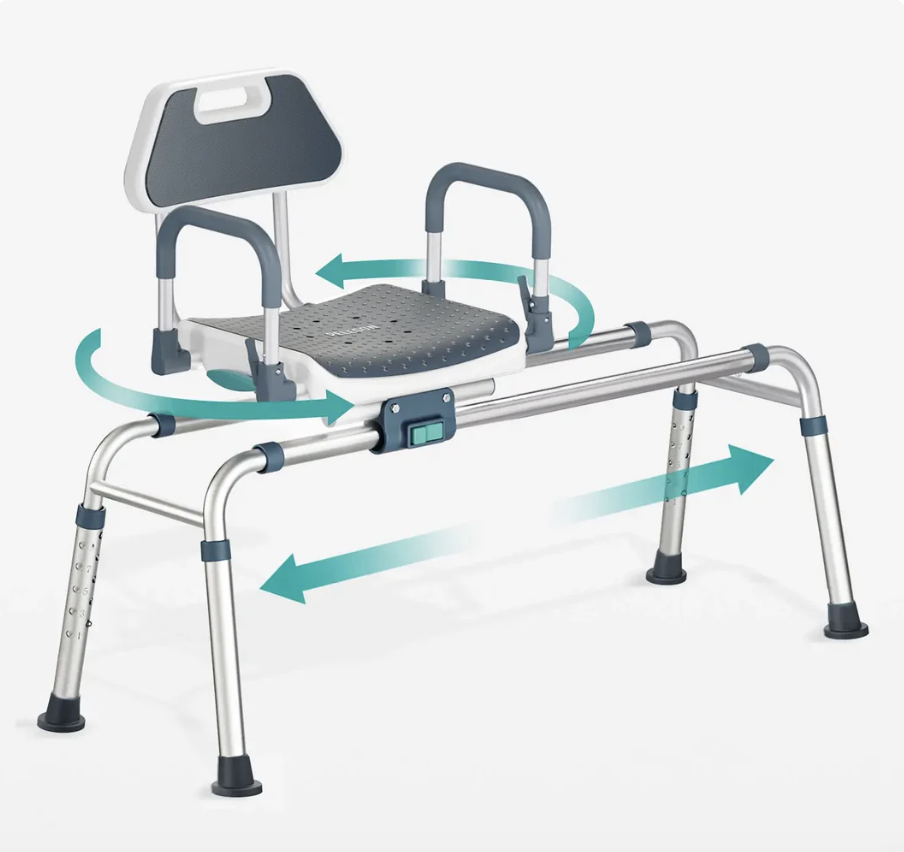
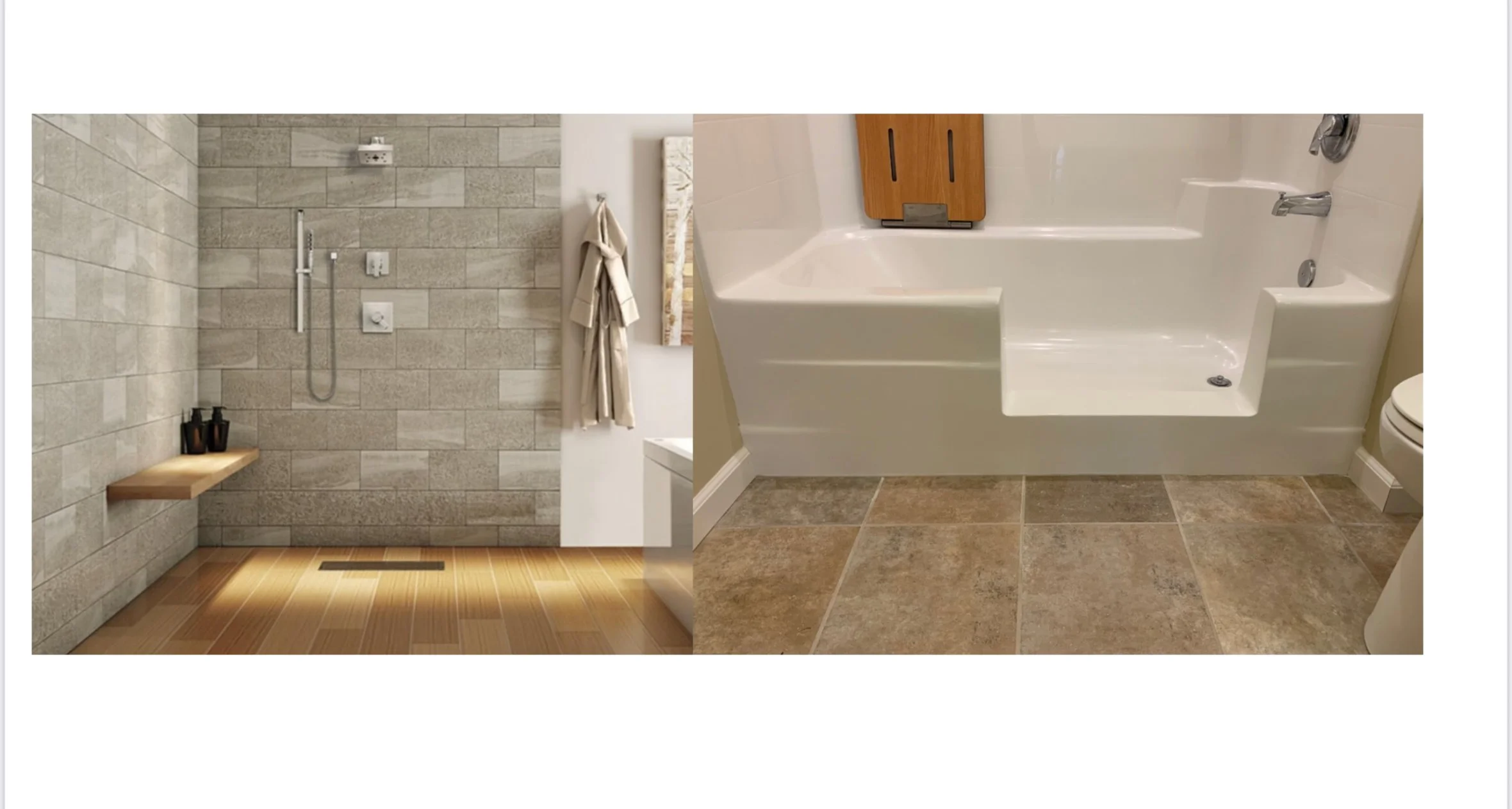
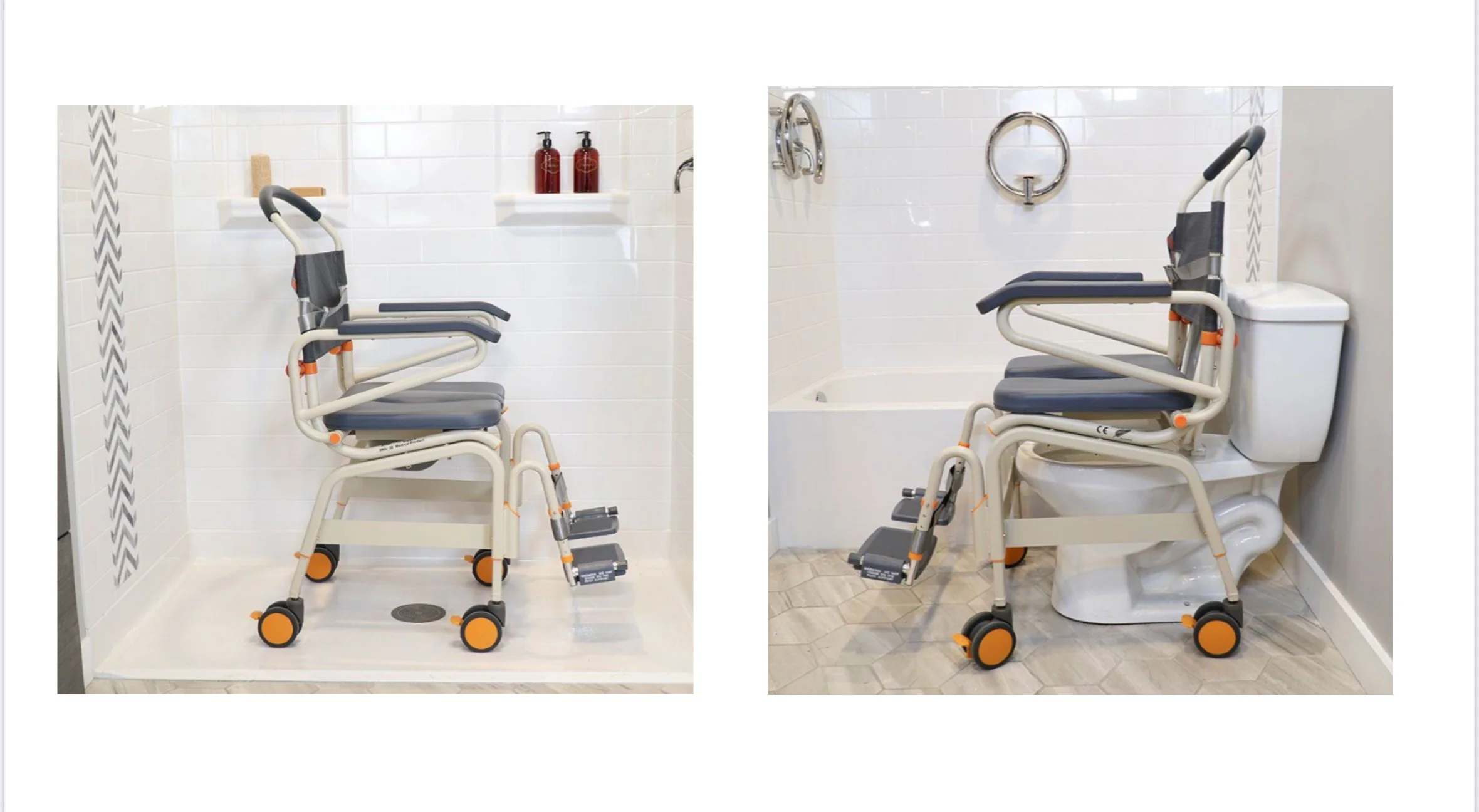
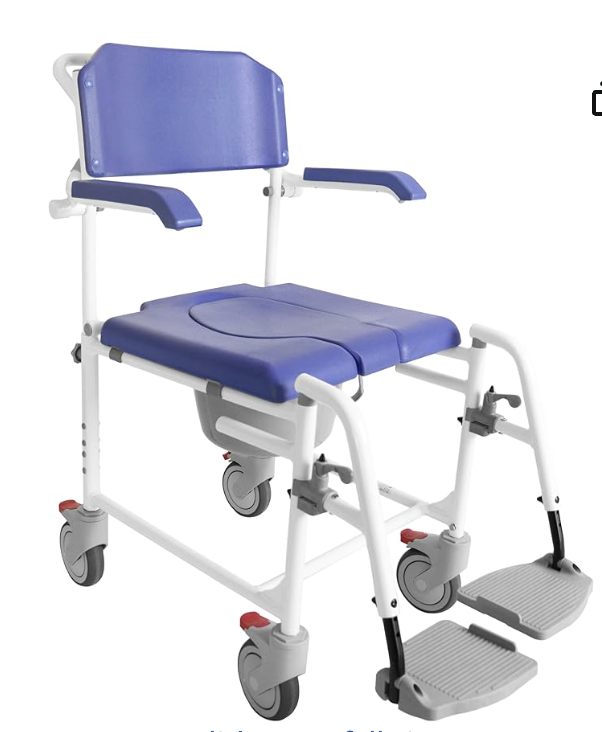
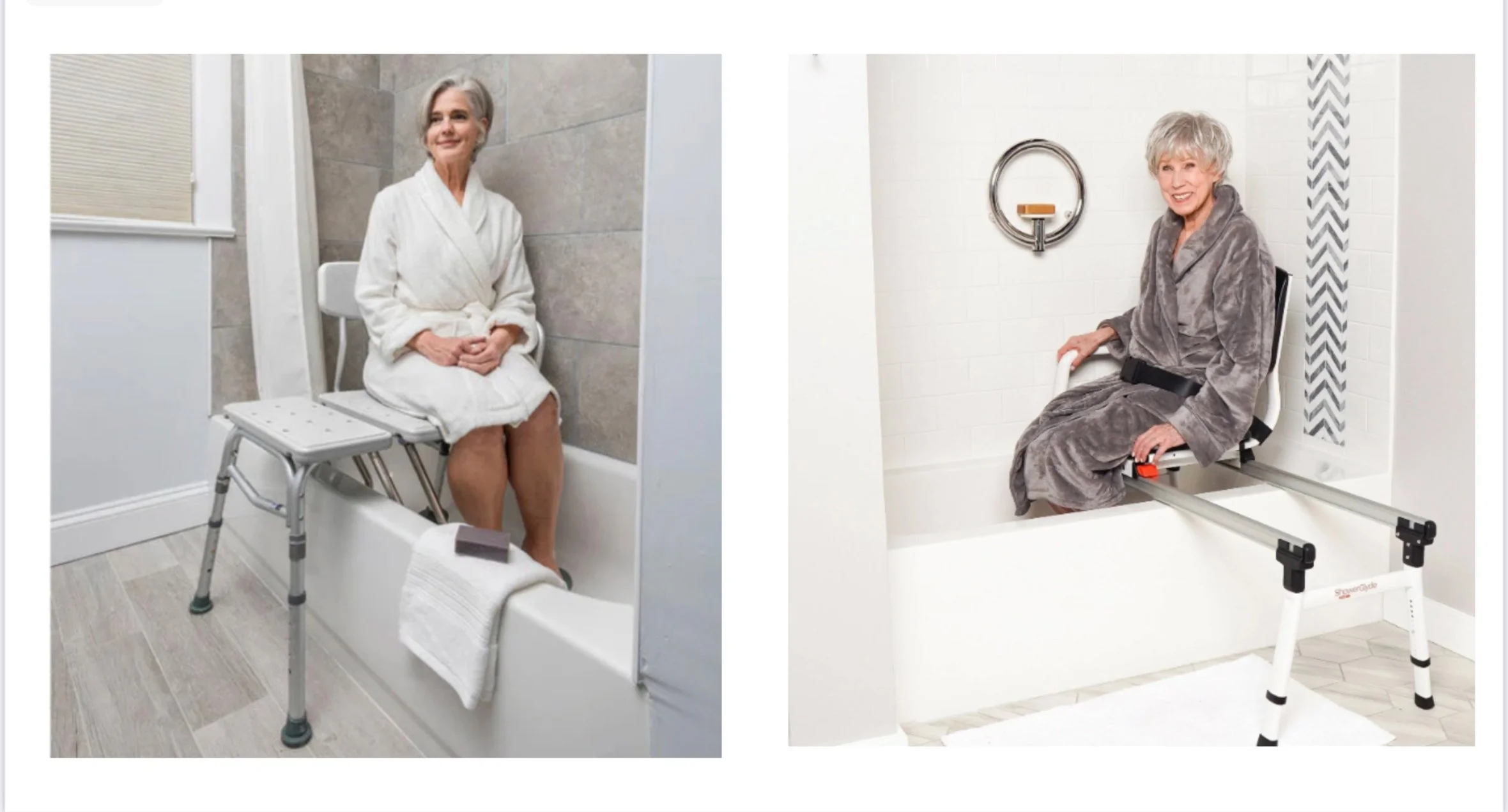
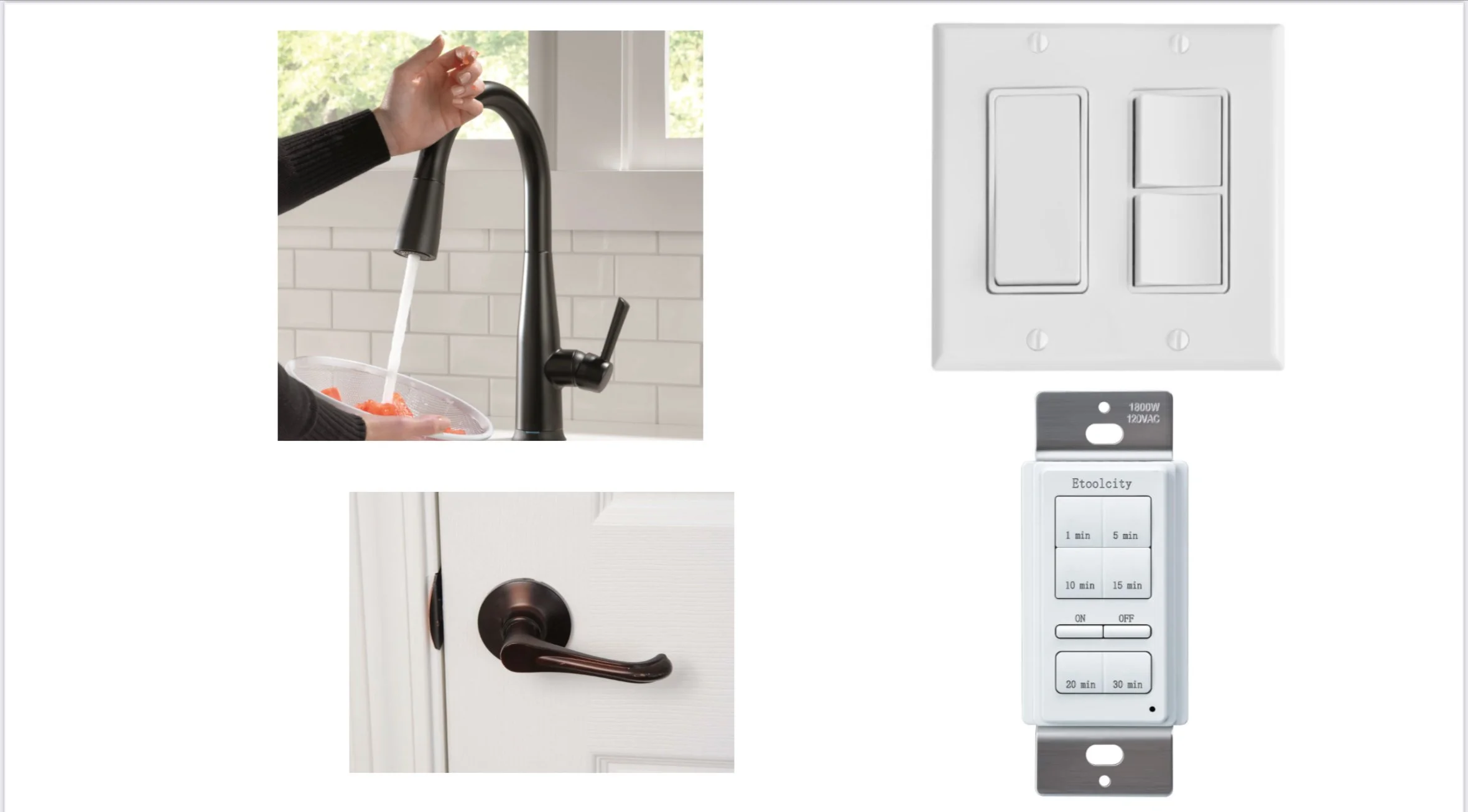
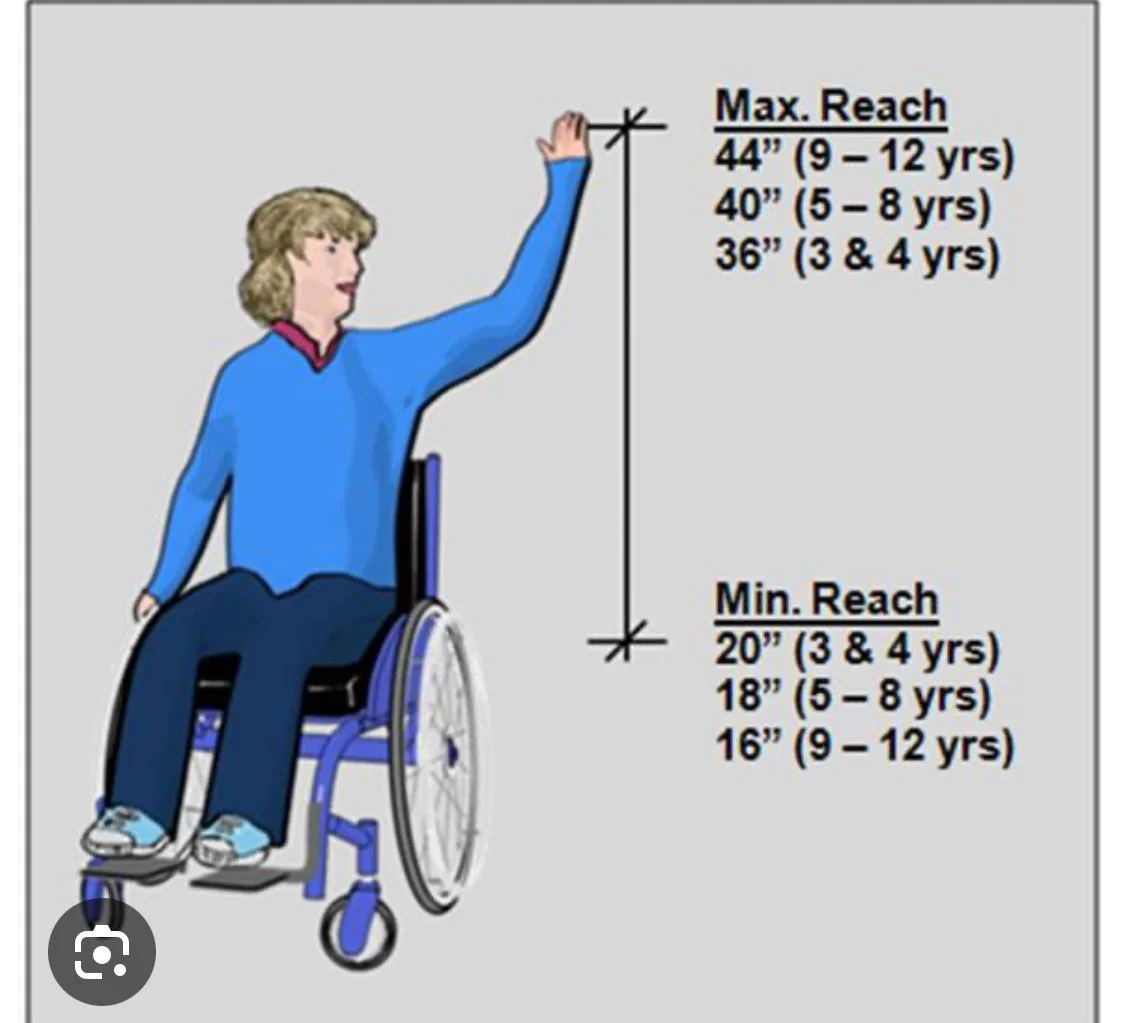
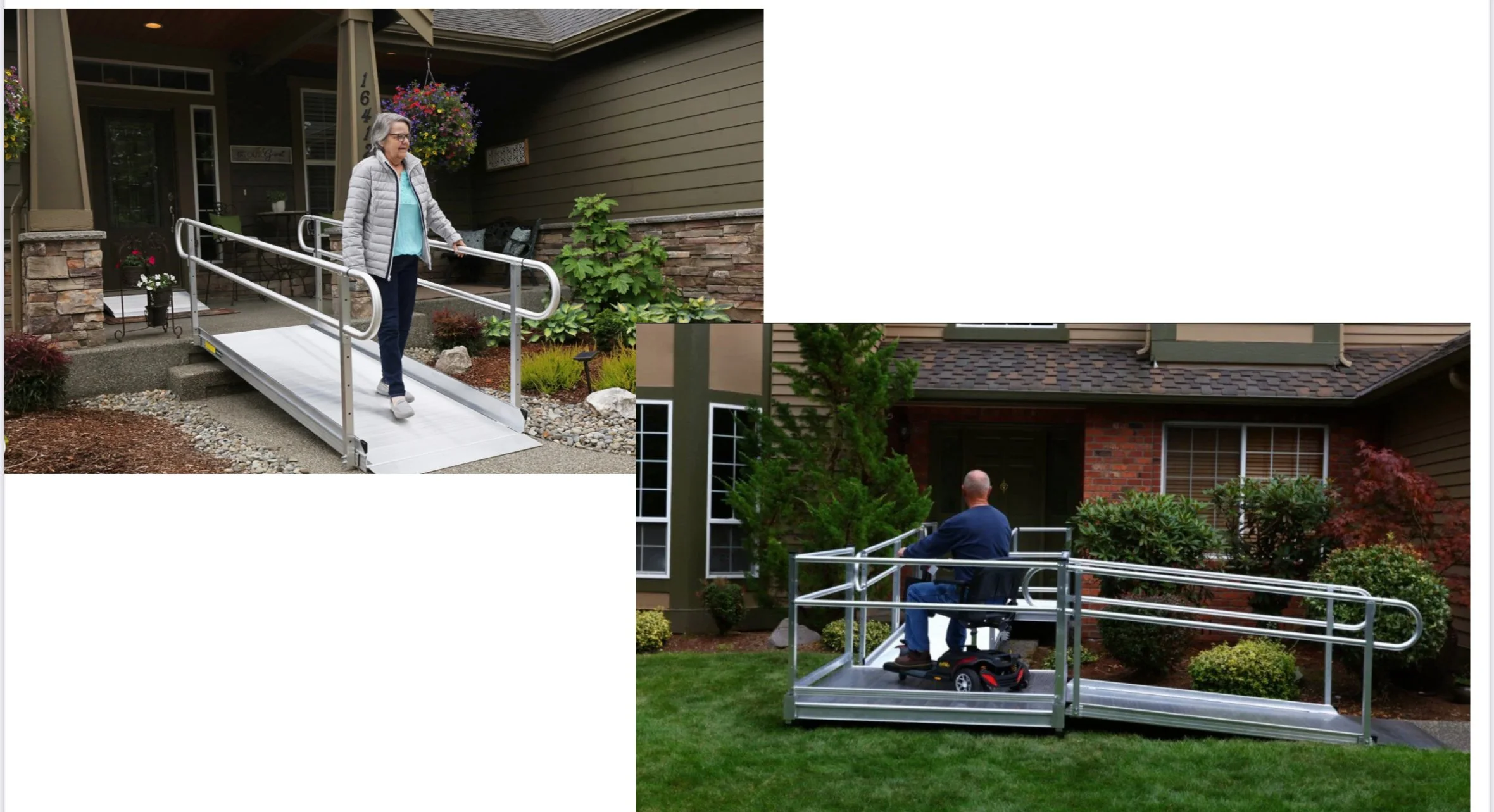
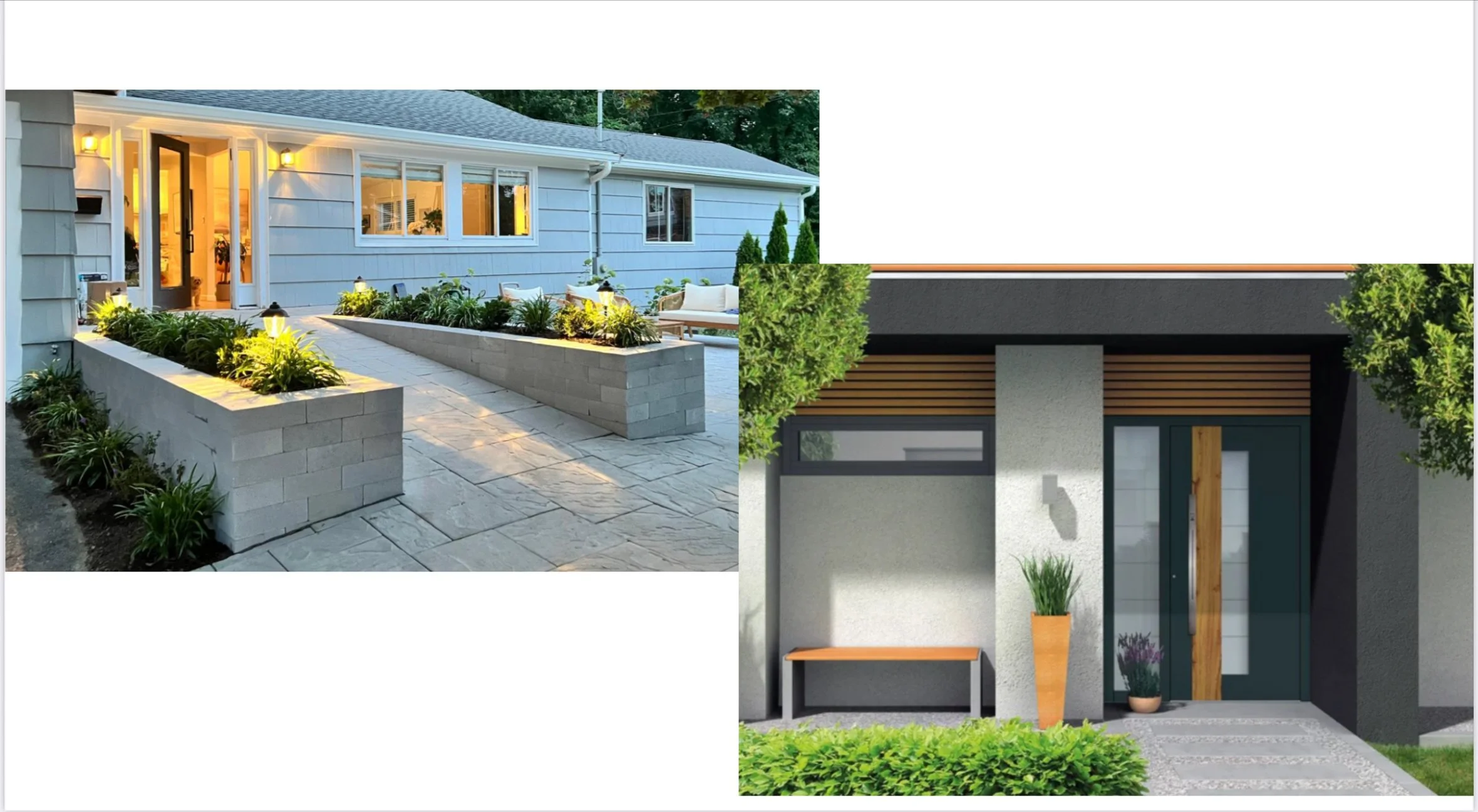
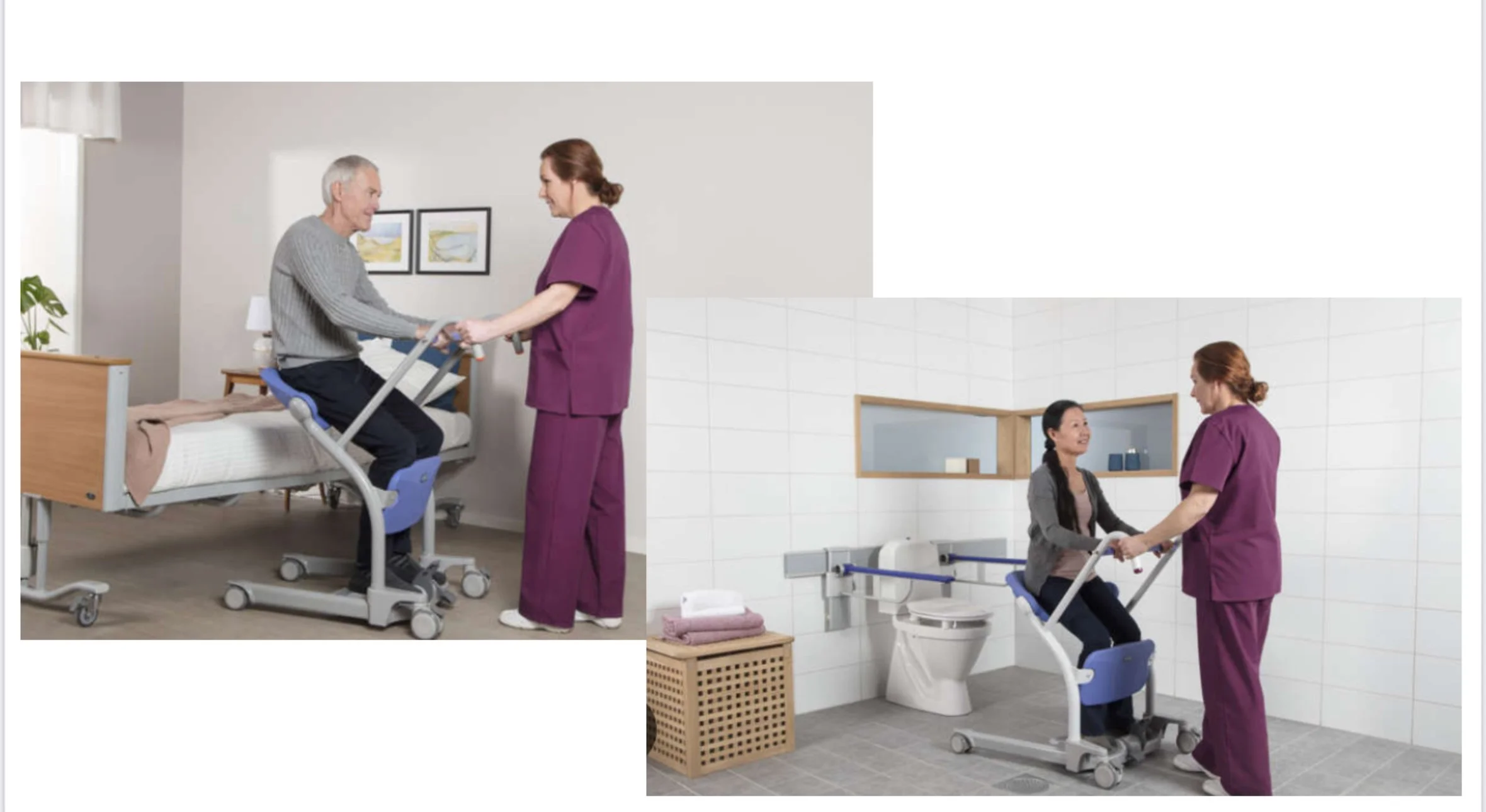
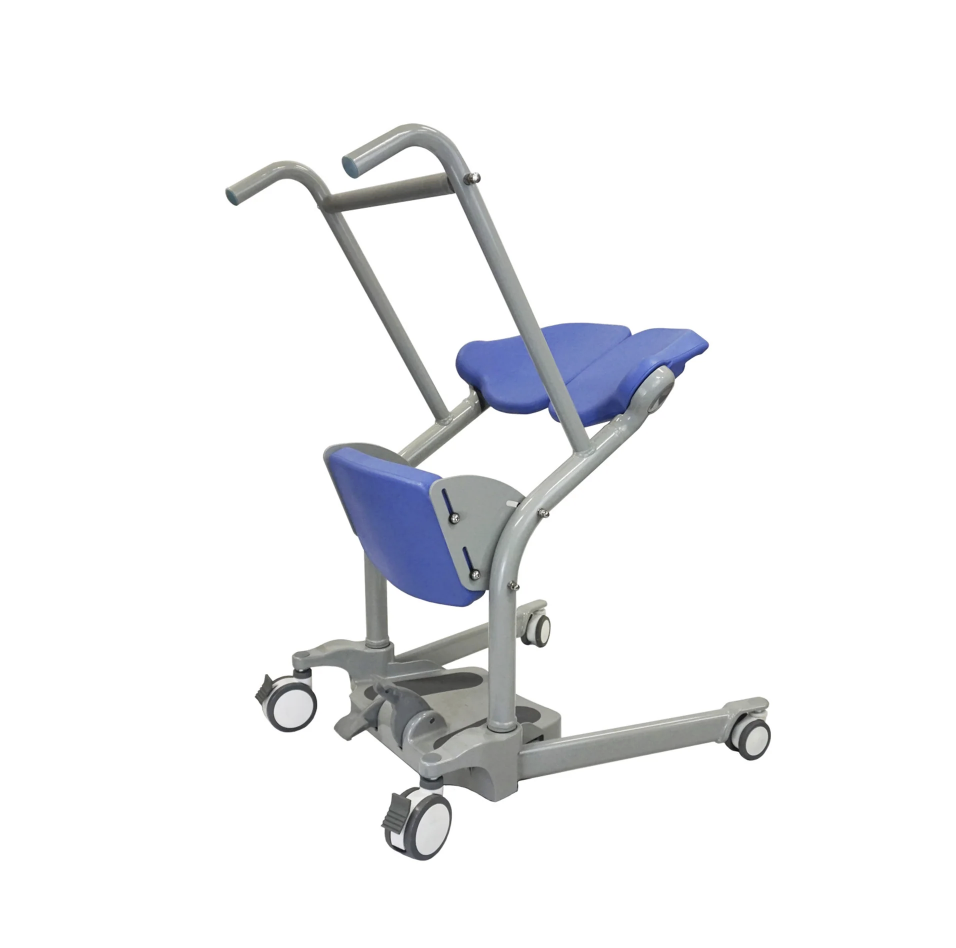
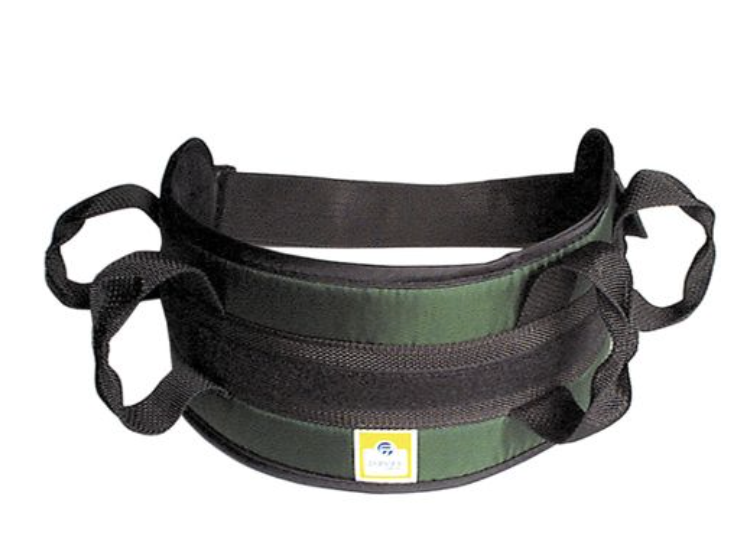
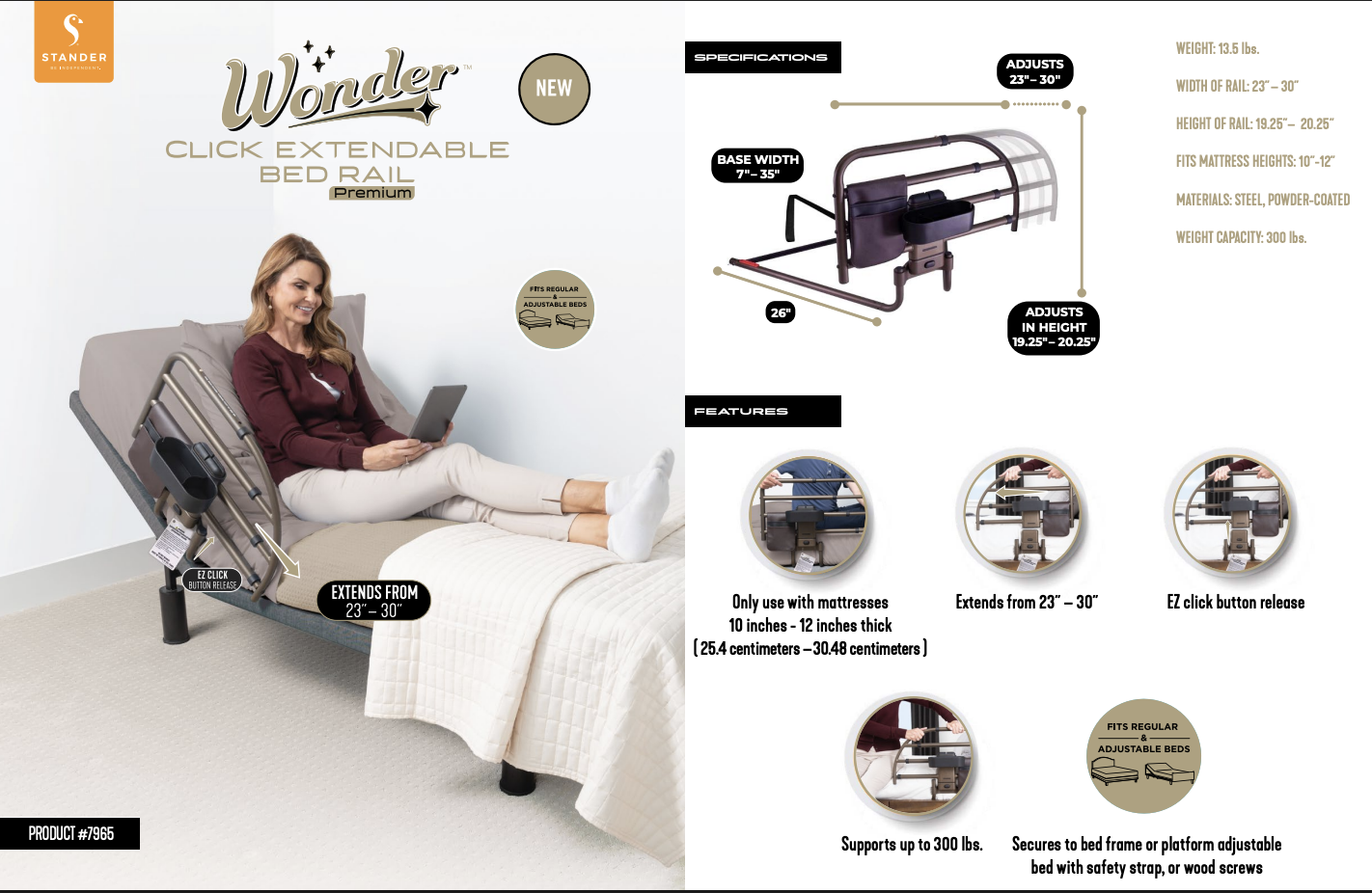
Our personalized roadmaps bring together daily function, accessibility, healthy home design, equipment and caregiver needs, remodeling options, phased planning, preliminary cost projections, and potential funding resources.
From initial planning through implementation, Kelly helps clients explore options, connect with appropriate professionals and community resources, and turn recommendations into practical solutions.
Serving Portland, Oregon and Southwest Washington, with virtual consultations nationwide.
Adaptable Abodes is a preventative, non medical, private-pay consulting practice and does not bill Medicare or health insurance. Grant-funded projects and other funding arrangements may be available depending on eligibility.
Oregon EIN # 2369980-92
WA UBI: 606021555
OT LIC Oregon # 1036721
OT LIC Washington # 60952325
NPI # 1508193830
NBCOT # 1036721

Featured Book Contributor
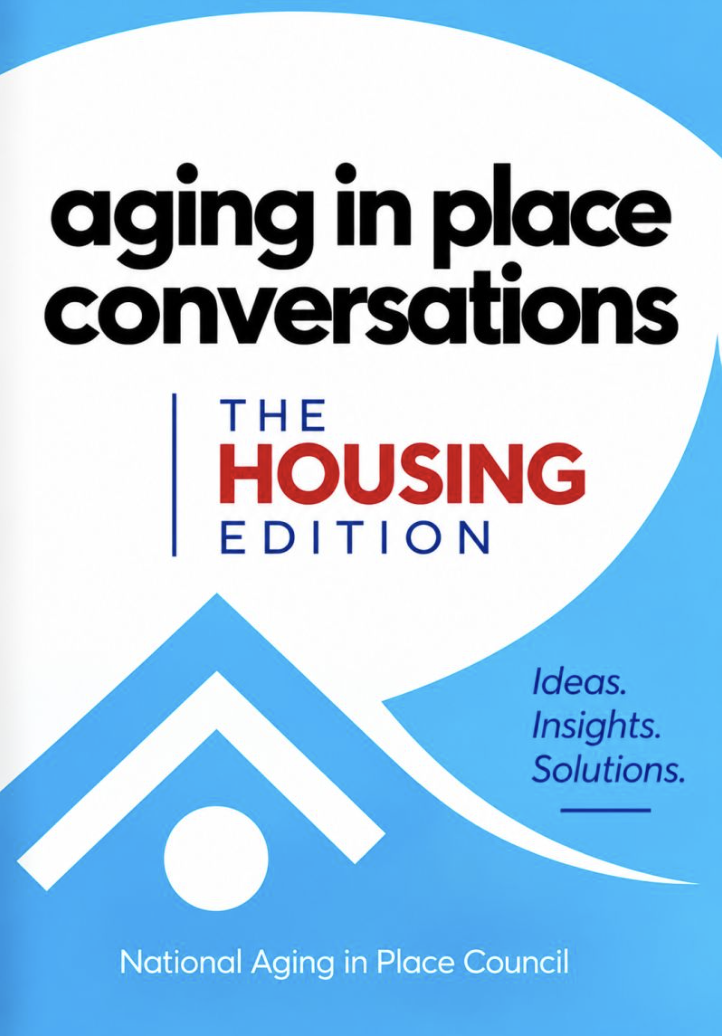
Aging in Place Conversations: The Housing Edition
Kelly Nesbitt is a contributing author to the National Aging in Place Council's latest book, featuring her chapter, Designing for Change: How Occupational Therapists Future-Proof Homes Through Clinical Reasoning.
BUY HERE.
Read Kelly’s Author Page.
Adaptable Abodes - In the News!
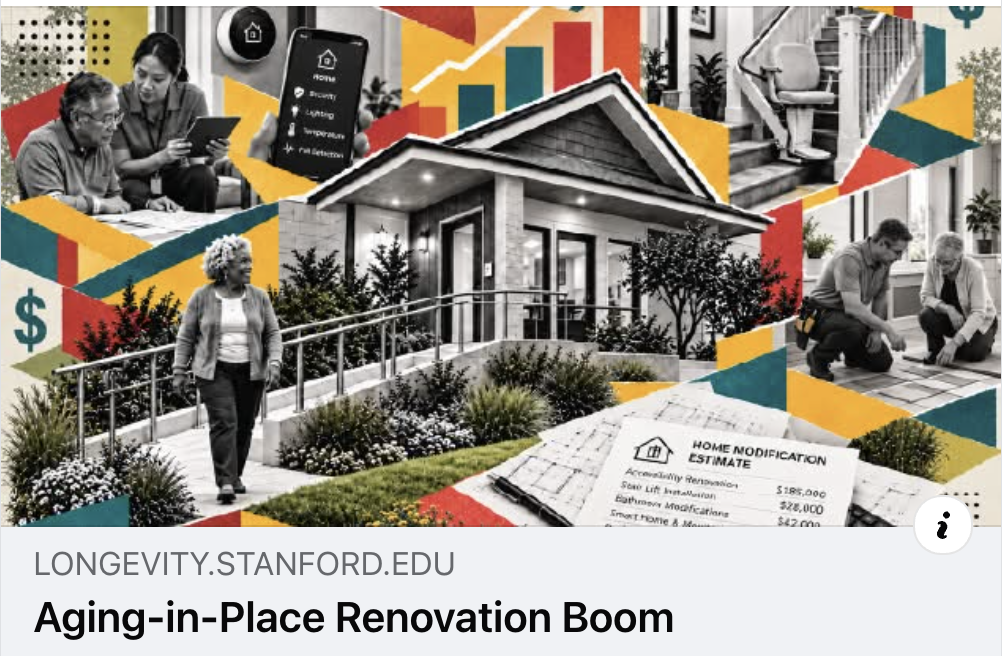
Stanford Center on Longevity | Oct 8, 2026
Aging-in-Place Renovation Boom
Read Article